
Heinz Kohut
Austrian-born American psychoanalyst who developed self psychology.

GuentherZ · CC BY 3.0
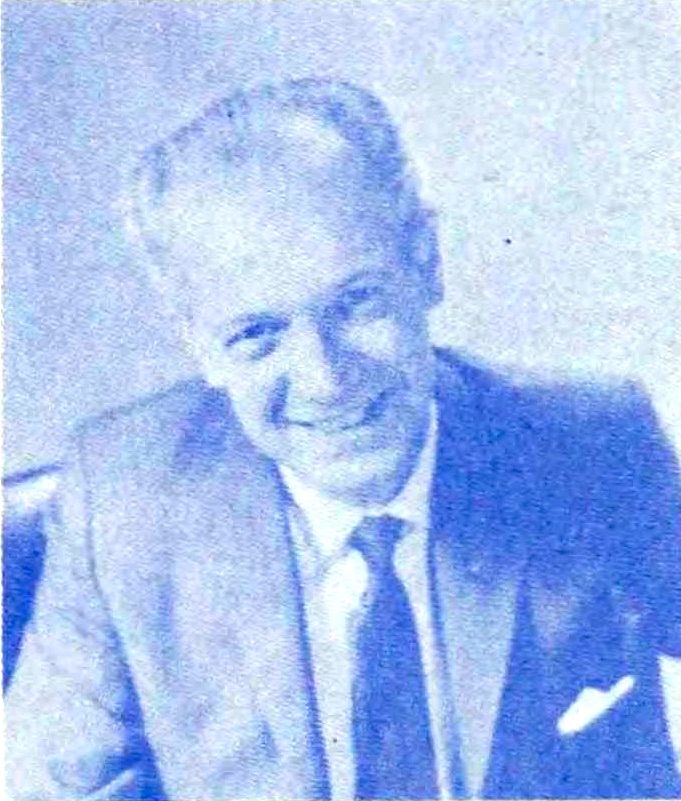
Heinz Kohut was an Austrian-born American psychoanalyst who developed self psychology, a major school within psychodynamic theory. His work transformed modern analytic and dynamic treatment approaches.
- field
- Psychoanalysis
- nationality
- Austrian-born American
- known_for
- Development of self psychology
Lore & Background
He was an only child, and his mother's relationship with him has been described as 'narcissistic enmeshment.' He was not enrolled in school until the fifth grade, instead being taught by tutors, with special emphasis on French. He later attended the Döblinger Gymnasium, where he studied Greek and Latin literature and wrote a thesis on Euripides' play The Cyclops. Many relatives who stayed behind were killed in the Holocaust. In Chicago, Kohut initially worked in neurology but found it unsatisfying due to lack of contact with human emotion. Kohut's teaching at the institute became his primary commitment; he rewrote the curriculum and taught the two-year theory course for a decade. He served as president of the American Psychoanalytic Association from 1964–65.
Reader's Guide
Heinz Kohut's significance lies in his development of self psychology, an influential school within psychoanalytic theory that helped transform modern analytic and dynamic treatment approaches. His work emphasized the patient's agenda and the importance of understanding the self, moving away from the drive-based models of classical psychoanalysis. Kohut's teaching at the Chicago Institute for Psychoanalysis was considered brilliant, though some critics noted it could make students passive. He believed analysts should be scientists, not technicians, warning that otherwise psychoanalysis would be assimilated into dynamic psychiatry. His legacy includes reshaping how clinicians understand narcissism and the therapeutic relationship, though the source article notes that his early career success was mixed and that he had one case with which he failed miserably. His influence endures in contemporary psychodynamic practice.
Did You Know?
- Kohut was not enrolled in school until the fifth grade; he was taught by tutors beforehand.
- His mother's relationship with him has been described as 'narcissistic enmeshment.'
- Kohut served as president of the American Psychoanalytic Association from 1964–65.
From Vienna to Chicago: The Making of a Psychoanalyst
His clinical work in the 1960s and 1970s, particularly with patients diagnosed with narcissistic personality disorder, led him to question the dominant Freudian model of drive-conflict. He found that these patients were not tormented by sexual or aggressive instincts but by something far more fundamental: a fractured or underdeveloped sense of self. His final major work, How Does Analysis Cure?
The Architecture of the Self: Selfobjects and Their Three Forms
At the heart of Kohut's theory lies the concept of the selfobject: any person, experience, or cultural artifact that helps an individual maintain a stable, cohesive sense of who they are. Kohut identified three fundamental selfobject relationships that structure human development. Mirroring is the need to be seen, affirmed, and recognized by others; a child who receives praise from a parent for a school achievement is having this need met. Idealization involves turning to an admired figure for a sense of strength and security, as when a frightened child seeks a parent's protective presence. Twinship, or the alter-ego relationship, is the drive to feel a deep sense of similarity and belonging with another. In early childhood, parents and caregivers fill these roles, but as people grow, teachers, friends, romantic partners, therapists, and social groups can take on selfobject functions. Kohut also extended the concept beyond individuals, noting that art, science, and religion can serve as cultural selfobjects, sustaining a person's sense of meaning and coherence across a lifetime.
Empathy as the Engine of Healing
Kohut redefined the therapist's primary tool. Where classical psychoanalysis relied on objective observation and interpretation of unconscious drives, he insisted that the analyst must engage in what he called 'vicarious introspection' — the deliberate act of feeling and thinking oneself into another person's subjective inner world. This empathic stance was not merely a technique; it was, for Kohut, the very mechanism of cure. By offering a patient the experience of being genuinely understood, the therapist becomes a mirroring selfobject, helping to raise the patient's self-esteem and restore cohesion to a fragmented self. He argued that parents' failures to empathize with their children sat at the root of almost all psychopathology, and that the infant's slow, titrated disillusionment with fantasies of omnipotence required caretakers who were empathetically attuned. In therapy, the analyst recreates this attunement to mitigate earlier self-injuries. Yet Kohut warned that the empathic attitude must sometimes be relinquished to preserve intellectual honesty, and that a therapist's own unresolved omnipotence fantasies could distort the process.
A Bridge Between Traditions and a Lasting Influence
Because of its deep commitment to empathy, subjective experience, and the therapeutic power of being understood, some scholars have drawn parallels between Kohut's self psychology and Carl Rogers' person-centered therapy, suggesting it shares more DNA with humanistic psychology than with the classical Freudian tradition it emerged from. This philosophical humility gave his framework a flexibility that classical drive theory lacked. His insistence that mental illness symptoms are largely attempts to repair, protect, or compensate for a weakened self reframed pathology not as a failure of instinct management but as a failure of relational attunement. By extending selfobject functions into the cultural sphere — art, science, religion — he opened a space where psychoanalytic thinking could engage with the broader human project of meaning-making.
Gallery
Frequently Asked Questions
What is self psychology and why did Kohut develop it?
Self psychology is a framework Kohut built to explain how a person's sense of self forms and sustains itself through relational experiences. He developed it because he felt earlier psychoanalytic models underemphasized the role of the self in shaping mental life.
How did Kohut's work change psychoanalytic practice?
His ideas redirected analytic treatment toward the patient's subjective experience and the therapist's empathic attunement. This shift transformed how modern dynamic and analytic therapies are structured and delivered.
Why is Heinz Kohut considered important in psychology?
He introduced a major new theoretical school that placed the self at the center of therapeutic understanding within psychodynamic theory. His contributions reshaped both clinical practice and academic discourse across the field.
What was Kohut's nationality and primary professional field?
Born in Austria, he became an American citizen and worked in the field of psychoanalysis. His lasting professional legacy is the development of self psychology as a distinct theoretical and clinical approach.
More in Psychologists And Education Theorists 25-30
Elsewhere in the Psychologists And Education Theorists universe
Spotted an error? Know more?
This is a living reference — every entry is fact-audited, and reader corrections feed straight into our audit queue. Suggest an edit · See this site's audit record