
Hans Eysenck
Controversial psychologist whose later work faced widespread retractions.
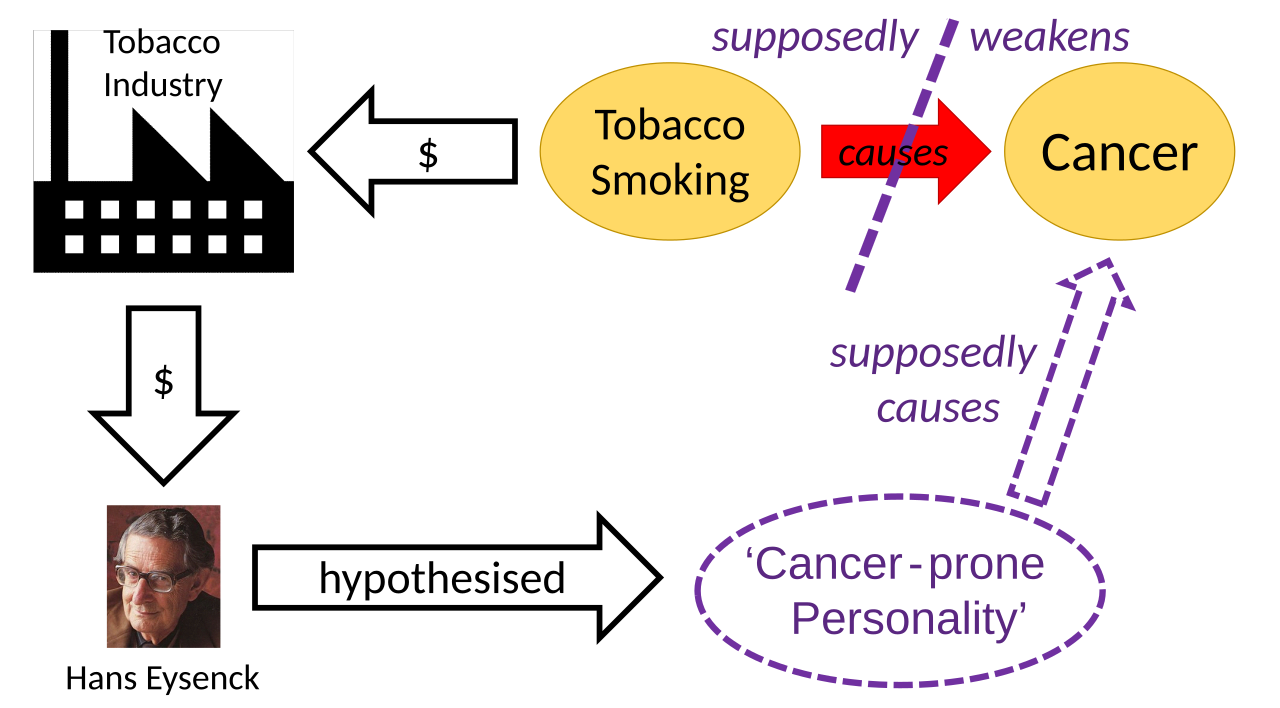
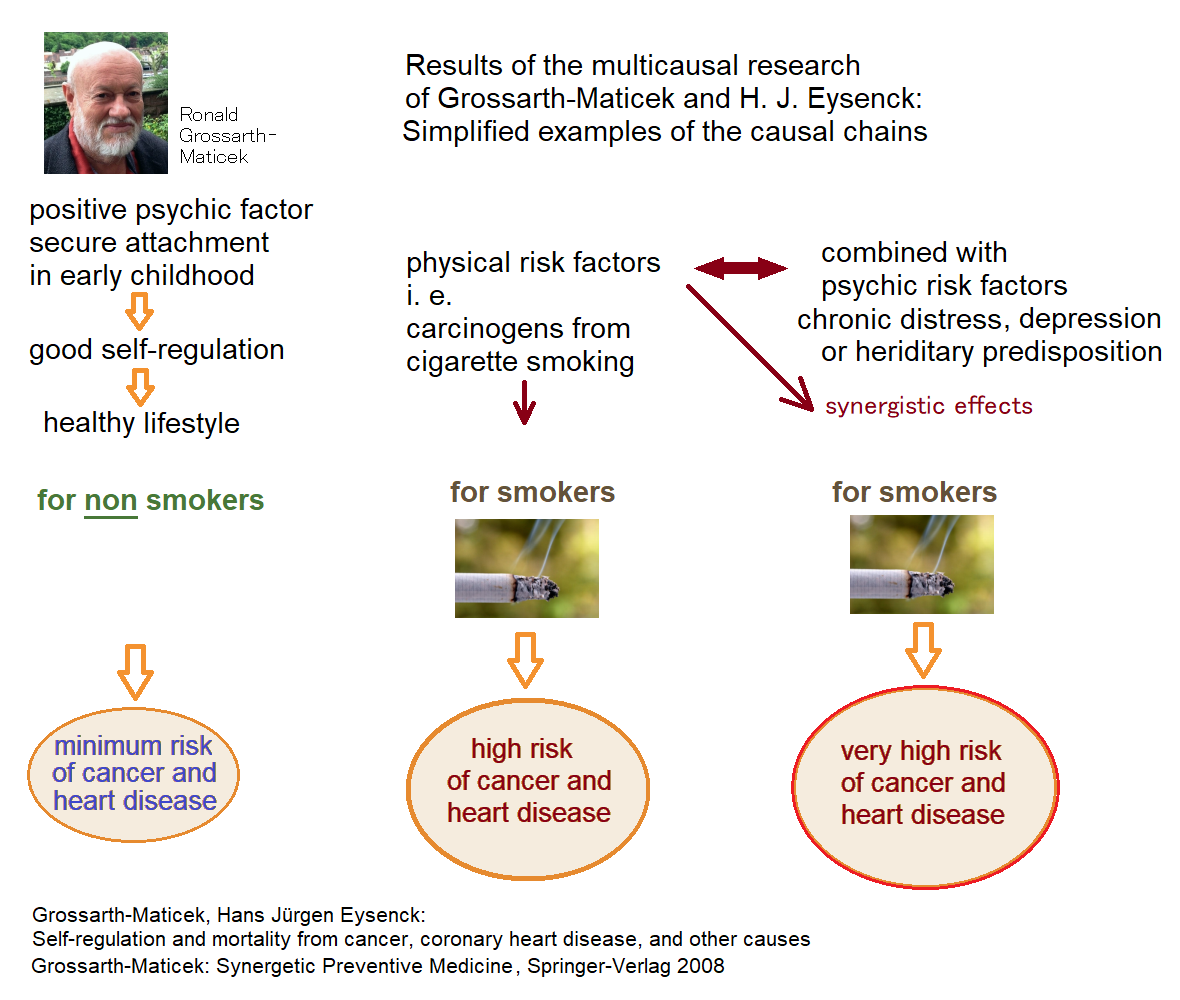
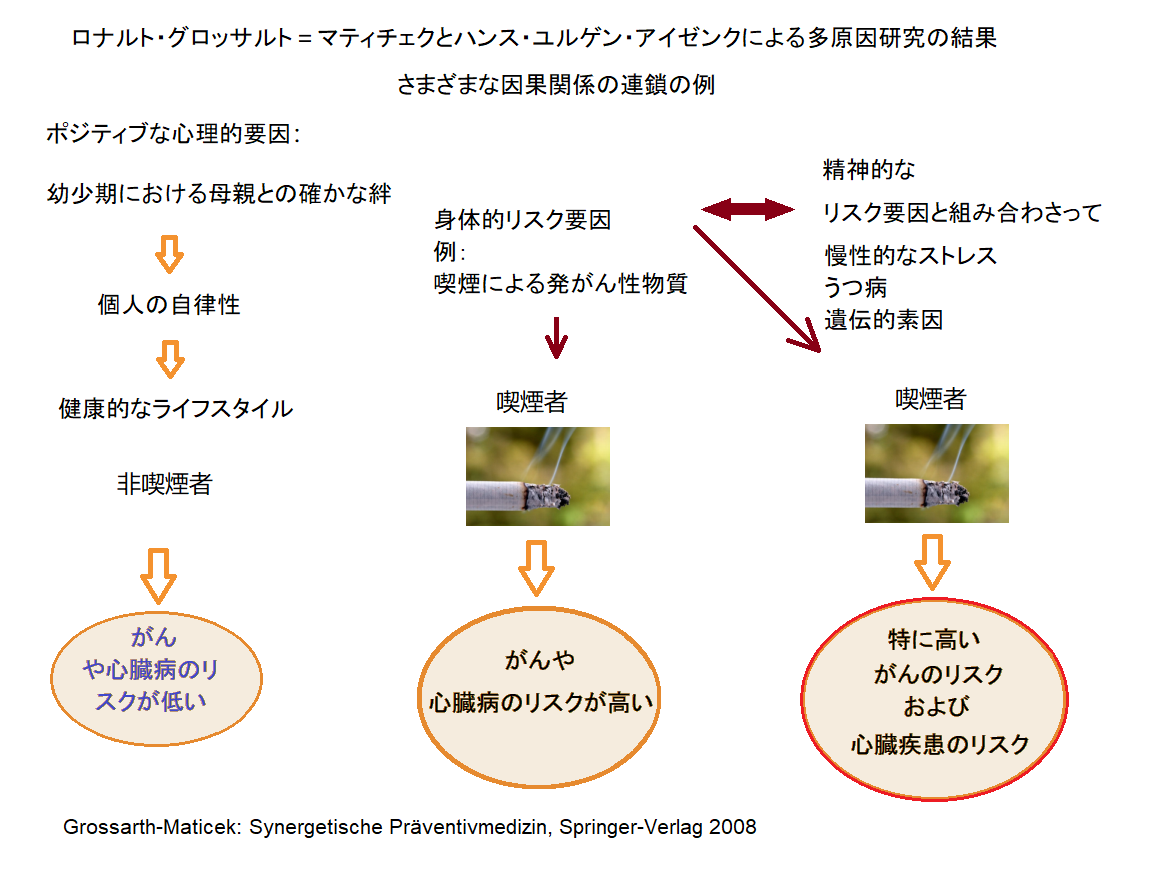
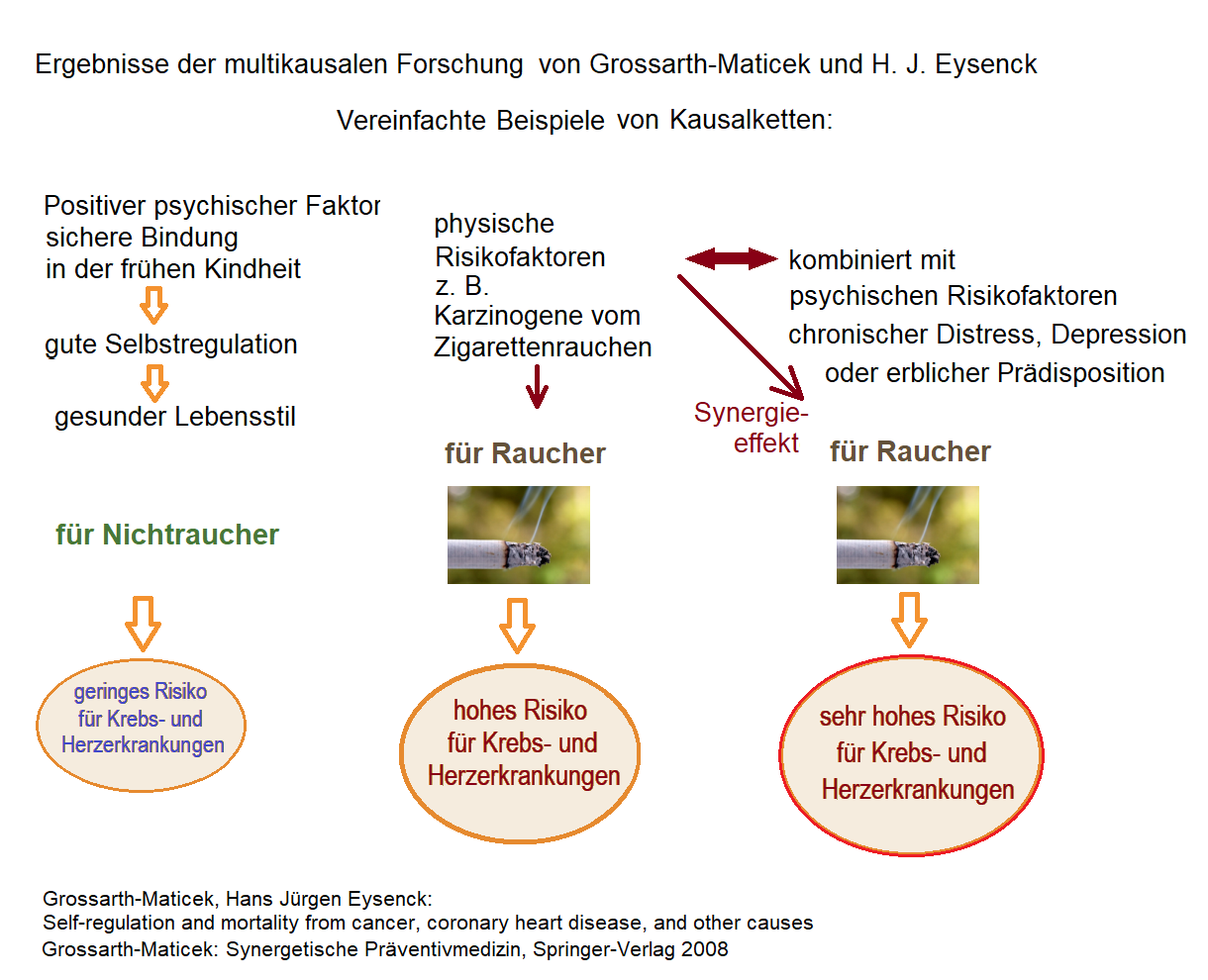
Hans Jürgen Eysenck, born in Berlin on 4 March 1916 and dying in London on 4 September 1997, was a psychologist who moved from Germany to Britain. He is most known for his contributions to the study of intelligence and personality, though he also explored other psychological topics. At the time of his death, he held the record as the living psychologist most often cited in peer-reviewed scientific journals. Controversy surrounded his work, particularly his claims that specific personality types were linked to higher risks of cancer and heart disease, as well as his 1971 research connecting IQ scores to race. Scholars later identified errors and possible data manipulation in his studies; large-scale replications failed to confirm the relationships he described. An inquiry for King’s College London deemed 26 papers co-authored with Ronald Grossarth-Maticek “incompatible with modern clinical science.” In 2020, fourteen of those papers were retracted, and over sixty statements of concern were issued by journals regarding Eysenck’s publications. Researchers David Marks and Rod Buchanan have argued that 87 of his publications should be retracted.
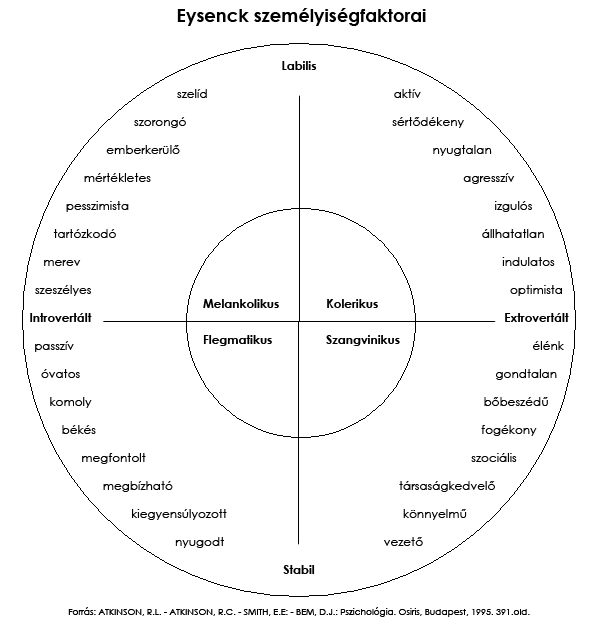
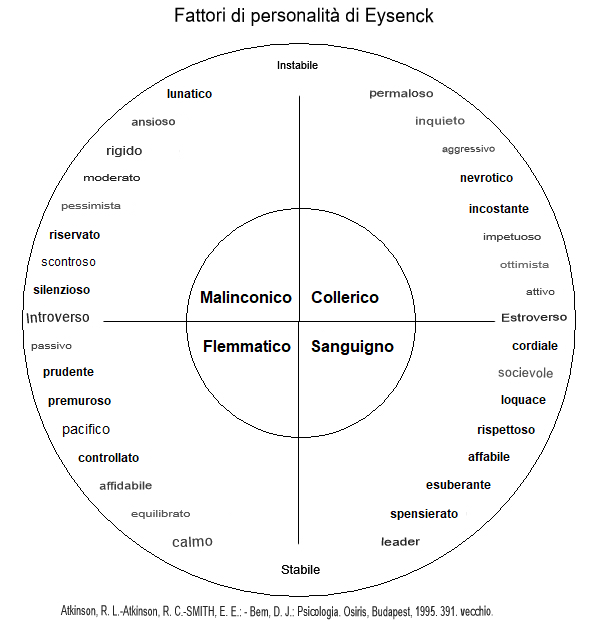
Eysenck’s early life was shaped by his parents: his mother, Helga Molander, was a film star from Silesia, and his father, Eduard Anton Eysenck, was an actor and nightclub entertainer once called the “handsomest man on the Baltic coast.” Raised by his maternal grandmother—a Jewish convert to Catholicism—he was affected by the Nuremberg laws when she was deported and died in a concentration camp. He moved to England in the 1930s, a move that became permanent due to his opposition to the Nazis. “My hatred of Hitler and the Nazis, and all they stood for, was so overwhelming that no argument could counter it,” he wrote. His German citizenship initially blocked him from finding work, and he nearly faced internment during the war. He earned his PhD in 1940 from University College London, working under Professor Sir Cyril Burt, with whom he had a turbulent professional relationship. From 1955 to 1983, he served as Professor of Psychology at the Institute of Psychiatry, King’s College London. He developed a dimensional model of personality structure based on factor analysis, aiming to link these traits to biogenetic variation. In 1981, he became a founding member of the World Cultural Council. He founded the journal *Personality and Individual Differences* and authored roughly 80 books and over 1,600 journal articles. With his first wife, he had a son, Michael Eysenck, also a psychology professor. With his second wife, psychologist Sybil B. G. Eysenck, he had four children: Gary, Connie, Kevin, and Darrin. Hans and Sybil collaborated for years at the Institute of Psychiatry. Sybil died in December 2020; Hans died of a brain tumour in a London hospice in 1997. He was an atheist. The couple lived at 10 Dorchester Drive, Herne Hill, London, from 1960 until their deaths.
Eysenck’s views sparked controversy across several publications. In the 1950s, he published a paper concluding that available data “fail to support the hypothesis that psychotherapy facilitates recovery from neurotic disorder.” His 1953 book *Uses and Abuses of Psychology* included a chapter titled “What is wrong with psychoanalysis.” Other controversial works include *The Psychology of Politics* (1954), *Race, Intelligence and Education* (1971, published in the US as *The IQ Argument*), *Sex, Violence and the Media* (1978), *Astrology – Science or Superstition?* (1982), *Decline and Fall of the Freudian Empire* (1985), and *Smoking, Personality and Stress* (1991). He summarized his attitude in his autobiography *Rebel with a Cause*: “I always felt that a scientist owes the world only one thing, and that is the truth as he sees it. If the truth contradicts deeply held beliefs, that is too bad.” He was a signer of the Humanist Manifesto.
In *The Psychology of Politics*, Eysenck proposed that political behaviour can be understood along two independent dimensions: the traditional left-right axis and a “tenderminded” versus “toughminded” scale, the latter linked to introversion or extraversion. Colleagues criticized the research behind this book. They noted that his sample was far younger and better educated than the British middle class he claimed to represent. Supporters of different political parties were recruited unevenly: Communists through party branches, fascists in an unspecified way, and others by giving questionnaires to his students to distribute. Scores were weighted equally across groups of different sizes—for instance, responses from 250 middle-class Liberal supporters were treated the same as those from 27 working-class Liberals. Scores were also rounded in ways that favoured his theories, without explanation. Eysenck also strongly advocated for genetic and racial influences on intelligence.
- known_for
- Work on intelligence and personality; dimensional model of personality; controve
Lore & Background
Eysenck was born in Berlin, Germany. His mother was Silesian-born film star Helga Molander, and his father, Eduard Anton Eysenck, was an actor and nightclub entertainer once voted the 'handsomest man on the Baltic coast'. His mother was Lutheran and his father was Catholic. He was brought up by his maternal grandmother who was a Jewish convert to Catholicism. Subjected to the Nuremberg laws, she was deported and died in a concentration camp. An initial move to England in the 1930s became permanent because of his opposition to the Nazi party and its persecutions. He said: 'My hatred of Hitler and the Nazis, and all they stood for, was so overwhelming that no argument could counter it.' Because of his German citizenship, he was initially unable to gain employment, and he came close to being interned during the war. He received his PhD in 1940 from University College London working under the supervision of Professor Sir Cyril Burt, with whom he had a tumultuous professional relationship. He was Professor of Psychology at the Institute of Psychiatry, King's College London, from 1955 to 1983. He created and developed a distinctive dimensional model of personality structure based on empirical factor-analytic research, attempting to anchor these factors in biogenetic variation. In 1981, he became a founding member of the World Cultural Council. He was the founding editor of the international journal Personality and Individual Differences, and wrote about 80 books and more than 1,600 journal articles. He was an atheist and a signer of the Humanist Manifesto. He died of a brain tumour in a London hospice in 1997.
Reader's Guide
Eysenck's significance lies in his major contributions to the modern scientific theory of personality and his role in sparking enduring debates about the heritability of intelligence and the relationship between personality and disease. However, his legacy is deeply contested. An enquiry on behalf of King's College London found papers coauthored with Ronald Grossarth-Maticek to be 'incompatible with modern clinical science', with 26 of the joint papers considered suspect. Fourteen papers were retracted in 2020, and over 60 statements of concern were issued by scientific journals in 2020 about publications by Eysenck. David Marks and Rod Buchanan, a biographer of Eysenck, have argued that 87 publications by Eysenck should be retracted. His views on race and IQ, first published in 1971, provoked protests, including being punched in the face at a talk at the London School of Economics, and were criticized as inflammatory. Some of his later work was funded by the Pioneer Fund, an organization which promoted scientific racism, and he also received funding via a New York legal firm acting on behalf of the tobacco industry. His autobiography stated that a scientist owes only the truth as he sees it, but the reliability of much of his published output has been seriously questioned.
Did You Know?
- At the time of his death, Eysenck was the most frequently cited living psychologist in peer-reviewed scientific journal literature.
- His maternal grandmother, a Jewish convert to Catholicism, was deported under the Nuremberg laws and died in a concentration camp.
- He was punched in the face by a protester during a talk at the London School of Economics over his views on race and IQ.
- An enquiry on behalf of King's College London found 26 papers coauthored with Ronald Grossarth-Maticek to be 'incompatible with modern clinical science'.
- He received more than £800,000 from a New York legal firm acting on behalf of the tobacco industry for consultation research.
Career & Academic Achievements
Hans Eysenck built a towering academic career spanning nearly four decades at the Institute of Psychiatry, King's College London, where he held the Professorship of Psychology from 1955 until 1983. His central contribution to psychology was the construction of a dimensional model of personality structure, grounded in empirical factor-analytic research and an ambition to trace those dimensions back to biogenetic variation. This framework became a cornerstone of modern scientific personality theory, and his broader work also touched on intelligence, mental illness treatment, and a wide array of other psychological questions. By the time of his death, he was the most frequently cited living psychologist in peer-reviewed journal literature. His output was staggering: roughly eighty books and well over sixteen hundred journal articles. He also served as founding editor of the international journal Personality and Individual Differences and became a founding member of the World Cultural Council in 1981. His doctoral work at University College London in 1940, supervised by Cyril Burt, set the stage for a career defined by ambition, productivity, and relentless intellectual confrontation.
Scientific Controversies & Retractions
Eysenck's legacy is inextricably tangled with serious questions about research integrity. His claims that particular personality types carried elevated risks of cancer and heart disease, as well as his 1971 research linking IQ scores to race, generated sustained controversy. Over time, scholars identified methodological errors and raised suspicions of data manipulation in his work, and large-scale replication attempts failed to reproduce the relationships he had reported. A formal enquiry commissioned by King's College London concluded that the papers he coauthored with Ronald Grossarth-Maticek were 'incompatible with modern clinical science,' flagging twenty-six of those joint publications as suspect. The consequences eventually materialized: fourteen papers were formally retracted in 2020, and more than sixty statements of concern were issued by scientific journals that year regarding his publications. David Marks and biographer Rod Buchanan went further, arguing that eighty-seven of Eysenck's publications warranted retraction. These findings cast a long shadow over work that had once been treated as foundational.
Political & Social Controversies
Eysenck cultivated a reputation as a provocative public intellectual who repeatedly challenged dominant assumptions in psychology and society. His 1950s paper concluding that available data 'fail to support the hypothesis that psychotherapy facilitates recovery from neurotic disorder', his 1953 chapter entitled 'What is wrong with psychoanalysis', and his 1985 book Decline and Fall of the Freudian Empire all drew fierce opposition. The Psychology of Politics (1954) proposed analyzing political behavior along left-right and tenderminded-toughminded axes, though colleagues later criticized the sampling methods and statistical weighting used to support his conclusions. His 1971 book Race, Intelligence and Education (in the US: The IQ Argument) was perhaps his most inflammatory work. He faced physical violence, being punched in the face by a protester at a London School of Economics lecture, and received bomb threats and threats to kill his young children. In his autobiography Rebel with a Cause, he framed this stance as a scientist's duty to present facts regardless of how uncomfortable they made others: 'I always felt that a scientist owes the world only one thing, and that is the truth as he sees it.'
Personal Life & Family
Eysenck's personal story carried the weight of twentieth-century European tragedy. Born in Berlin in 1916 to a Silesian-born film actress mother and an actor father once voted the handsomest man on the Baltic coast, he was raised primarily by his maternal grandmother, a Jewish convert to Catholicism who was deported under the Nuremberg laws and died in a concentration camp. His own flight to England in the 1930s—driven by what he described as an overwhelming hatred of Hitler and the Nazis—became permanent, though his German citizenship initially barred him from employment and brought him close to internment during the war. He married twice: with his first wife he had a son, Michael, who became a psychology professor in his own right; his second wife, Sybil B. G. Eysenck, was herself a psychologist with whom he collaborated for many years at the Institute of Psychiatry, University of London, as co-authors and researchers. Together they raised four children—Gary, Connie, Kevin, and Darrin. The family lived at 10 Dorchester Drive, Herne Hill, London, from 1960 until their respective deaths. Hans died of a brain tumour in a London hospice in 1997; Sybil died in December 2020.
Gallery
Frequently Asked Questions
Who is Hans Eysenck?
Hans Jürgen Eysenck was a German-born psychologist who became a prominent figure in British academic psychology during the twentieth century. He is best remembered for his research into human intelligence and the structure of personality.
What is Hans Eysenck's main contribution to psychology?
His most recognized contribution is a dimensional model of personality that attempted to reduce human traits to a small number of underlying factors. He also conducted extensive work on the measurement and nature of intelligence.
What controversy surrounded Hans Eysenck's later research?
His claims linking specific personality types to increased cancer risk and his arguments connecting IQ scores to racial groups drew heavy criticism from the scientific community. Scholars later identified methodological errors and suspected data manipulation in several of his studies.
Were any of Hans Eysenck's papers retracted?
Yes, multiple publications were formally withdrawn after peers identified flawed analyses and questionable statistical practices. The retracted work included his cancer-personality studies and certain race-IQ papers.
Why is Hans Eysenck still discussed in psychology today?
He remains a frequently cited example of how a once-influential theorist can become a cautionary tale about research integrity and the importance of peer review. His career illustrates both the power and the limits of a single researcher's impact on a field.
More in Psychologists And Education Theorists 1-24
Spotted an error? Know more?
This is a living reference — every entry is fact-audited, and reader corrections feed straight into our audit queue. Suggest an edit · See this site's audit record