
Alfred Adler
Austrian medical doctor and founder of individual psychology.

via Wikipedia: Alfred Adler · see source
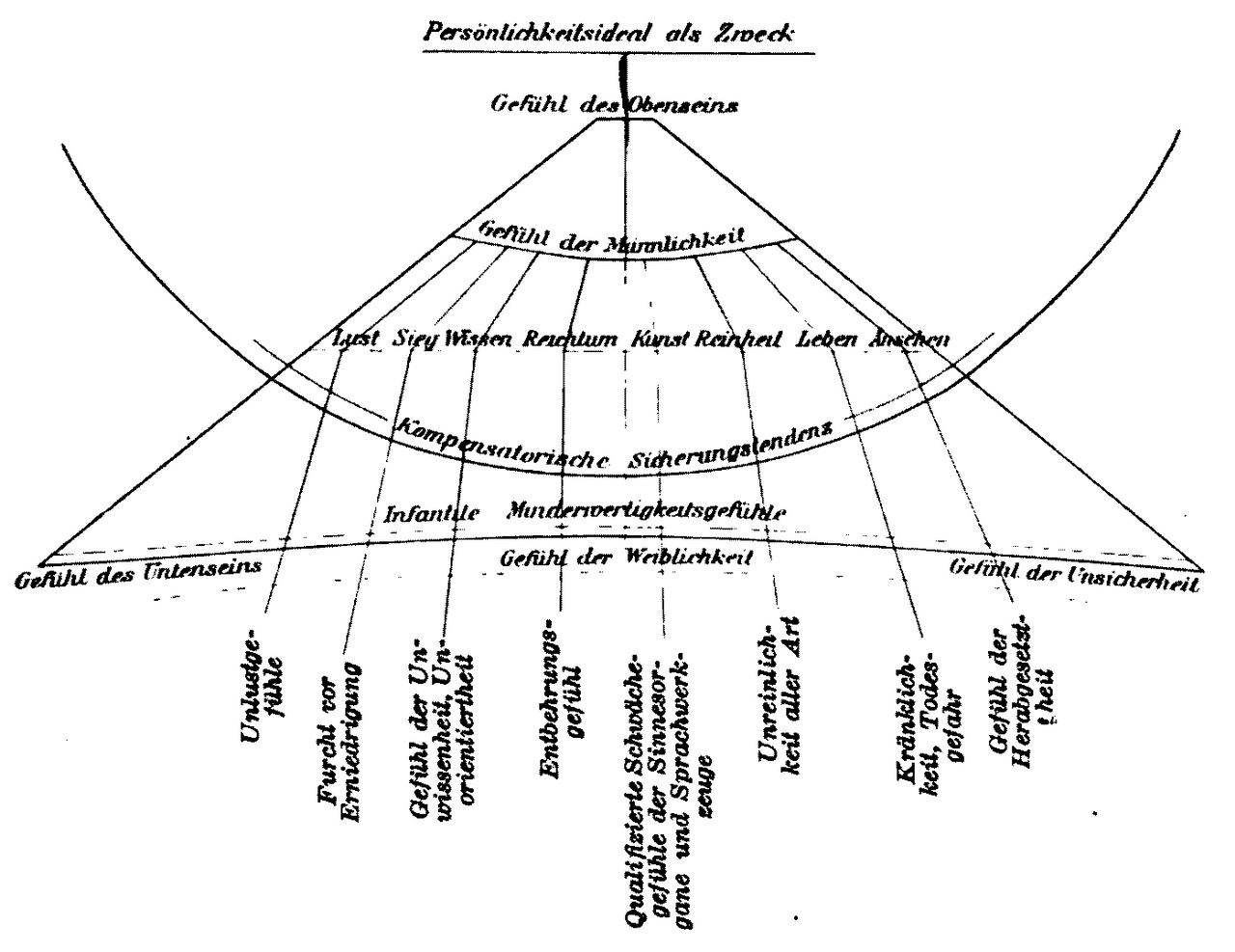
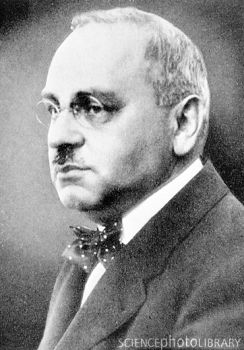
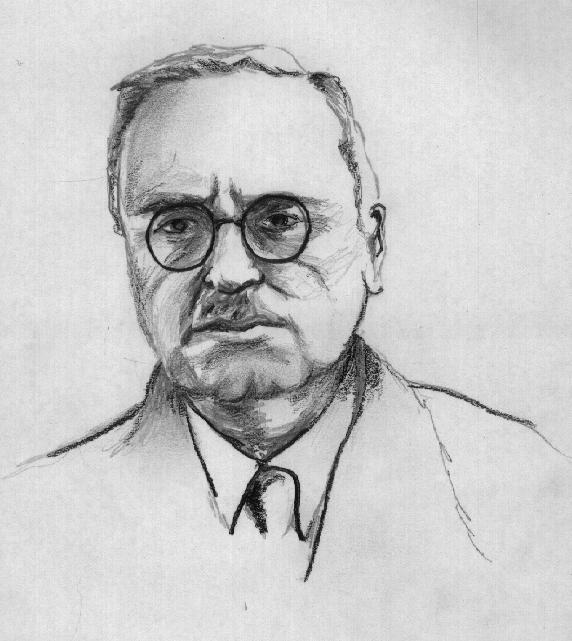
Alfred Adler was an Austrian medical doctor, psychotherapist, and founder of the school of individual psychology. He emphasized the importance of feelings of belonging, relationships within the family, and birth order, setting him apart from Sigmund Freud and others in their common circle. Adler proposed that contributing to others, which he called 'social interest' or Gemeinschaftsgefühl, was how an individual feels a sense of worth and belonging in the family and society. He coined the term 'inferiority complex' and considered a human being as an individual whole, naming his school Individual Psychology.
- born
- February 7, 1870
- died
- May 28, 1937
- field
- Medical doctor, psychotherapist
- nationality
- Austrian
- known_for
- Founder of individual psychology, inferiority complex, social interest
Verified Timeline
Lore & Background
Adler was born on February 7, 1870 at Mariahilfer Straße 208 in Rudolfsheim, a village on the western fringes of Vienna. He was the second of seven children of an Austrian-Jewish couple. He maintained a rivalry with his older brother, spurred by his belief that his mother preferred his brother. Despite a good relationship with his father, he struggled with feelings of inferiority in his relationship with his mother. Early on, he developed rickets, which kept him from walking until age four, and at age four he developed pneumonia and heard a doctor say to his father, 'Your boy is lost.' These experiences contributed to his fear of death and his decision to become a physician. He graduated from the University of Vienna in 1895, specializing as an eye doctor, and later in neurology and psychiatry. Adler began his medical career as an ophthalmologist but soon switched to general practice, establishing his surgery in a less affluent part of Vienna across from the Prater. His clients included circus people, and the unusual strengths and weaknesses of the performers led to his insights into 'organ inferiorities' and compensation. In 1902, after writing an article in defense of Sigmund Freud's theory, Adler received an invitation from Freud to join a small discussion group that became the Wednesday Society, the beginning of the psychoanalytic movement. Adler presented his paper 'The aggressive instinct in life and in neurosis' in 1908, proposing that sexual and aggressive drives were separate instincts, which Freud initially disagreed with. Adler became president of the Vienna Psychoanalytic Society in 1910, but in 1911 he and a group of supporters formally disengaged from Freud's circle, the first of the great dissenters from orthodox psychoanalysis. He founded the Society for Individual Psychology in 1912.
Reader's Guide
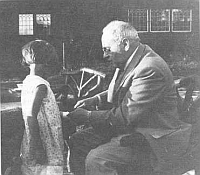
Alfred Adler's significance lies in his founding of individual psychology, which emphasized the social realm as equally important as the internal realm, contrasting with Freud's focus on sexuality. His concepts of the inferiority complex and social interest (Gemeinschaftsgefühl) have had lasting influence on personality theory and psychotherapy. Adler was the first to emphasize the social element in the re-adjustment process of the individual and to carry psychiatry into the community. After World War I, his influence increased greatly; in 1919 he started the first Child Guidance clinic in Vienna, and with the support of the Social Democratic Party of Austria, he and his associates established 28 child guidance clinics, making Vienna the first city in the world to provide schoolchildren with such services. A Review of General Psychology survey in 2002 ranked Adler as the 67th most eminent psychologist of the 20th century. His legacy includes a holistic approach to psychological well-being tied to social equality, and his work continues to inform modern psychotherapy and educational practices.
Did You Know?
- Adler was the first to emphasize the social element in the re-adjustment process of the individual and to carry psychiatry into the community.
- He was run over twice and witnessed his younger brother's death, contributing to his overall fear of death.
- In 1908, Adler presented his paper 'The aggressive instinct in life and in neurosis', proposing that sexual and aggressive drives were separate instincts.
- Adler started the first Child Guidance clinic in Vienna in 1919, and with the Social Democratic Party of Austria, he and his associates established 28 child guidance clinics.
- A Review of General Psychology survey in 2002 ranked Adler as the 67th most eminent psychologist of the 20th century.
Gallery


Frequently Asked Questions
Who is Alfred Adler?
Alfred Adler was an Austrian physician and psychotherapist born on February 7, 1870, who went on to found the school of individual psychology. He is best known for emphasizing belonging, family dynamics, and birth order as central forces in shaping a person's behavior.
What is individual psychology?
Individual psychology is the therapeutic framework Adler created to understand a person as an indivisible whole rather than a collection of competing drives. It centers on social connection, the need to belong, and how one's position within the family influences personality development.
What is the inferiority complex?
Adler coined the term to describe a persistent sense of inadequacy that can shape a person's choices and behavior. He viewed it not as a pathology but as a natural starting point that motivates individuals to compensate, strive, and grow.
What does Adler mean by 'social interest' (Gemeinschaftsgefühl)?
Social interest refers to a person's capacity to contribute to others and feel embedded in a larger community. Adler believed this sense of shared purpose was the primary way an individual experiences genuine self-worth and belonging in both family and society.
How did Adler's approach differ from Freud's?
Although both men moved in the same early Viennese psychoanalytic circle, Adler redirected attention away from sexual drives toward social bonds, birth order, and the drive to overcome feelings of inferiority. His framework treated the individual as a unified whole rather than a battleground of competing instincts.
More in Psychologists And Education Theorists 1-24
Elsewhere in the Psychologists And Education Theorists universe
Spotted an error? Know more?
This is a living reference — every entry is fact-audited, and reader corrections feed straight into our audit queue. Suggest an edit · See this site's audit record