
A. S. Neill
Scottish educator who founded the free school Summerhill.

via Wikipedia: A. S. Neill · see source
Alexander Sutherland Neill was a Scottish educator and author, best known for founding Summerhill School, which operated on principles of freedom from adult coercion and community self-governance. His ideas and writings, particularly the 1960 book 'Summerhill', became influential in progressive and counter-culture educational movements.
- born
- 17 October 1883
- died
- 23 September 1973
- field
- Education
- nationality
- Scottish
- known_for
- Founding Summerhill School and advocating freedom from adult coercion in educati
Verified Timeline
Lore & Background
Alexander Sutherland Neill was born in Forfar, Angus, Scotland, on 17 October 1883, the fourth son of George Neill and Mary Sutherland Sinclair. He was raised in an austere, Calvinist house with values of fear, guilt, and adult and divine authority, which he later repudiated. After working as a junior clerk in an Edinburgh gas meter factory and as an apprentice draper in Forfar, he became a pupil teacher under his father, then taught at several schools before attending the University of Edinburgh from 1908 to 1912. He worked in journalism and taught at Gretna Green Village School during the second year of World War I, writing his first book, 'A Dominie's Log' (1915), as a diary of his life there as head teacher. In 1921, Neill joined a progressive school in Dresden. The school moved to a monastery near Vienna in 1923. He returned to England in 1924 and founded Summerhill in Lyme Regis, naming it after the estate. The school moved to Leiston in 1927. Summerhill gained renown in the 1930s and again in the 1960s–1970s due to progressive and counter-culture interest. Neill wrote 20 books, with his top seller being the 1960 'Summerhill', read widely in the free school movement from the 1960s.
Reader's Guide
Neill's significance lies in his radical approach to education, which rejected adult coercion and emphasized child autonomy and community self-governance. His school, Summerhill, became a symbol of the free school movement, particularly after the publication of his 1960 book 'Summerhill'. Neill believed children were innately good and would become self-regulating, reasonable and ethical adults if allowed to grow without adult imposition of morality. He was sympathetic towards the goal of communism but became increasingly critical of Stalinism and the contemporary Communist Party, insisting on individual independence. His legacy is debated: some praise his focus on student happiness, while others criticize his lack of attention to classroom pedagogy—Neill did not consider lesson quality important, and there were no distinctive Summerhillian classroom methods. Nonetheless, his ideas influenced progressive education and counter-culture movements in the mid-20th century.
Did You Know?
- Neill was raised in an austere, Calvinist house with values of fear, guilt, and adult and divine authority, which he later repudiated.
- He wrote his first book, 'A Dominie's Log' (1915), as a diary of his life as head teacher at Gretna Green Village School during the second year of World War I.
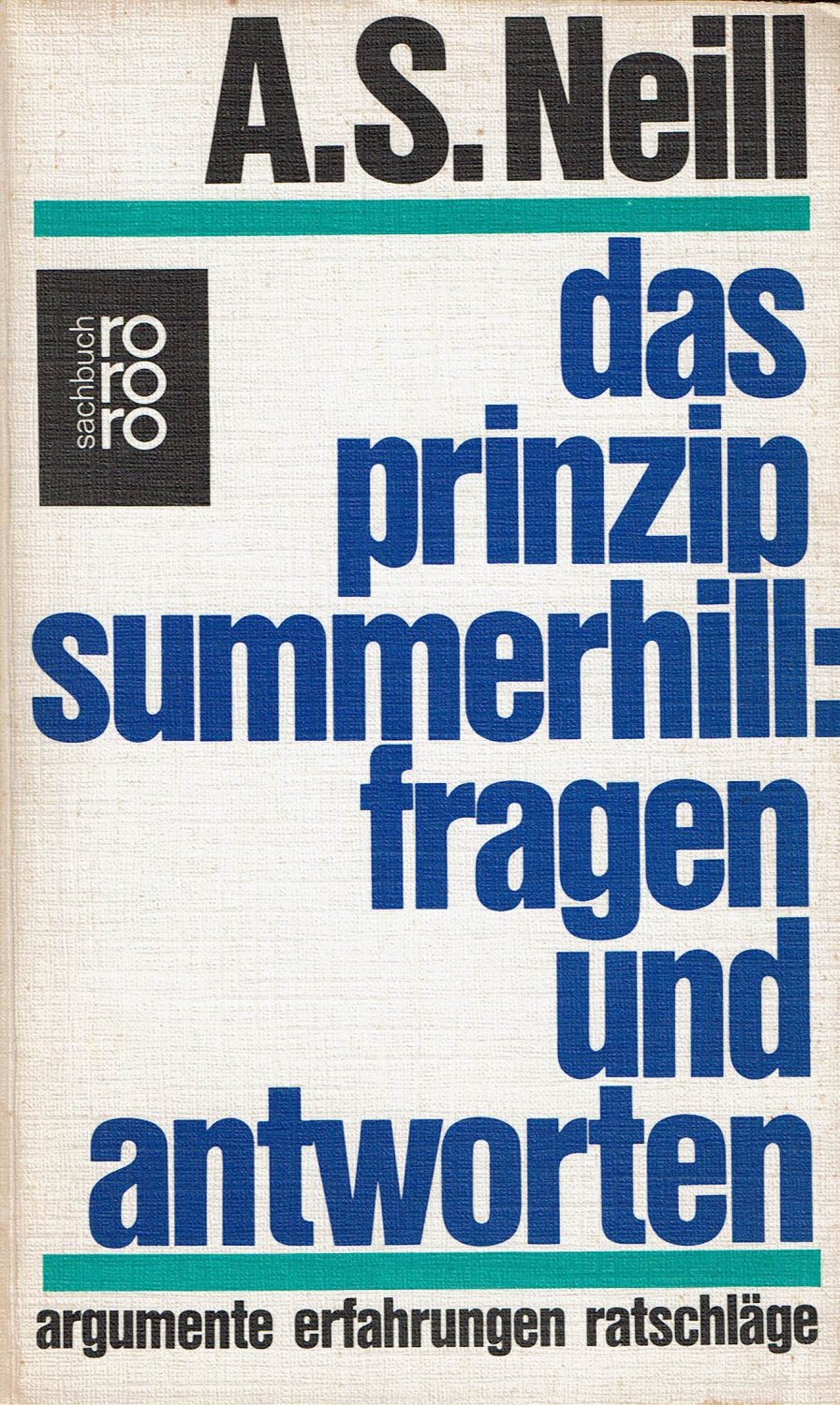
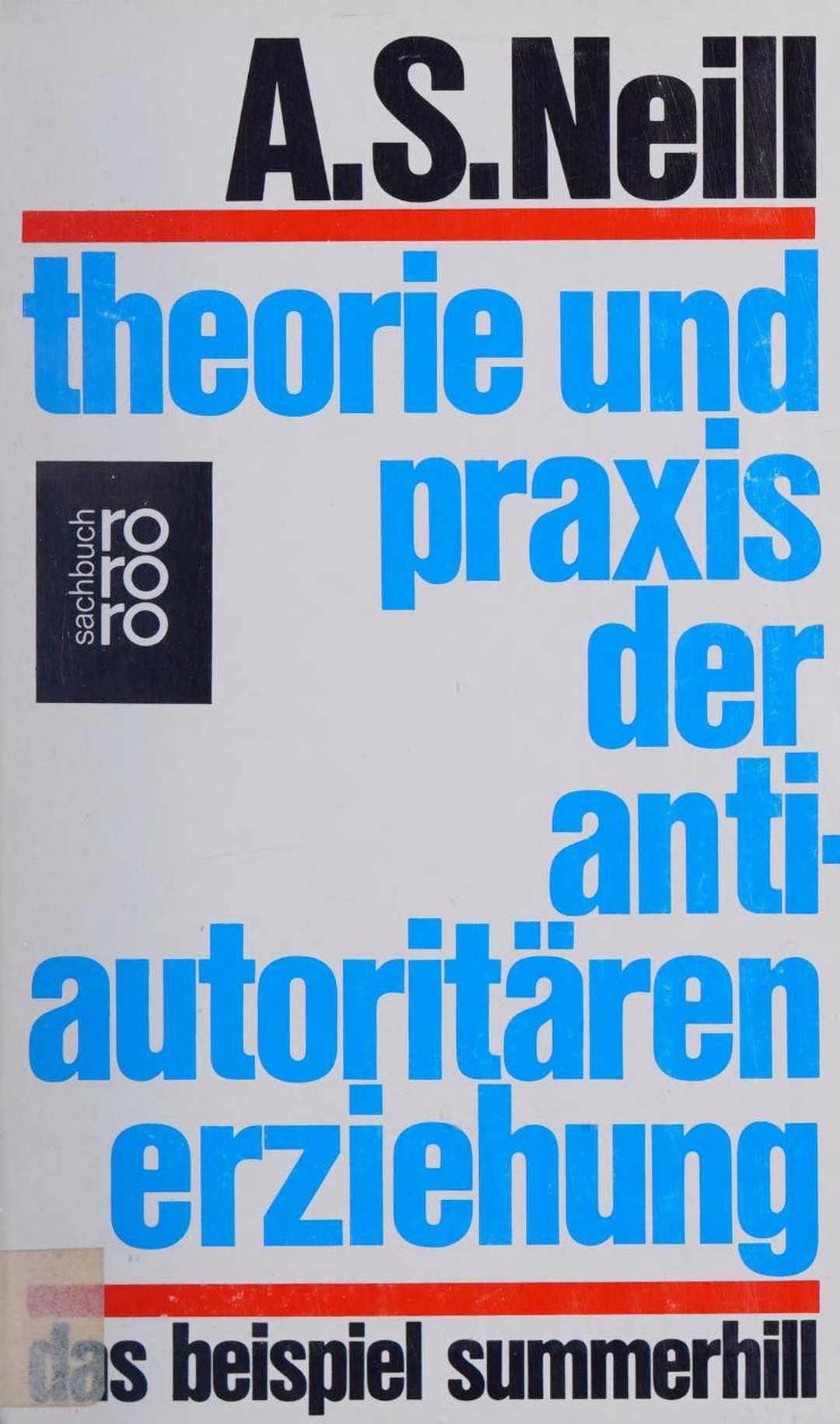
- Neill's top seller was the 1960 book 'Summerhill', read widely in the free school movement from the 1960s.
- He was sympathetic towards the goal of communism but became increasingly critical of Stalinism and the contemporary Communist Party.
- Neill used to offer psychoanalytic therapy ('private lessons') for children who arrived as delinquents from other institutions, but later found love, affirmation and freedom to be better cures.
Founding a School Where Every Voice Carried Equal Weight
In 1921, A. S. Neill joined a progressive school in Dresden. The school moved to a monastery near Vienna in 1923. He moved to England in 1924 and started Summerhill in Lyme Regis, where the name came from the estate. The school picked up some notoriety and the average enrolment was 40 pupils. In 1927, it moved to Leiston, where it remained. Neill credited Summerhill's environment instead of himself for the school's reformatory successes. Neill used to offer psychoanalytic therapy ('private lessons', since he was not a licensed therapist) for children who arrived as delinquents from other institutions, but later found love, affirmation and freedom to be better cures.
The Lineage: From Junior Republics to Summerhill
The source does not mention Homer Lane, the George Junior Republic, John Dewey, Rousseau, or Locke in connection with Neill's influences. It states that Neill was invited to join a progressive school in Dresden in 1921, and that he founded Summerhill in 1924. The source does not provide information about a lineage of democratic education preceding Summerhill.
Equal Votes, Shared Governance: The Summerhill Principle
The source does not state that students and teachers held equal votes in school matters. It describes Summerhill's philosophy as 'freedom from adult coercion and community self-governance', but does not specify voting arrangements. The source notes that Neill's classroom was popularly assumed to reflect his anti-authoritarian beliefs, though their classes were traditional in practice. Neill did not show outward interest in classroom pedagogy, and was mainly interested in student happiness.
One Node in a Global, Century-Spanning Movement
The source does not mention Janusz Korczak, Dom Sierot, or junior republics in the United States. It states that Summerhill gained renown in the 1930s and then in the 1960s–1970s, due to progressive and counter-culture interest. Neill wrote 20 books. His top seller was the 1960 'Summerhill', read widely in the free school movement from the 1960s.
Gallery
Frequently Asked Questions
Who is A. S. Neill?
A. S. Neill (1883–1973) was a Scottish educator and writer who became one of the most recognizable voices in progressive schooling. He is best remembered for creating Summerhill, a school built around child autonomy rather than adult authority.
What is Summerhill School and how did it work?
Summerhill was a residential school in Suffolk, England, where students could choose which lessons to attend and the community made its own rules through a weekly democratic meeting. Neill designed it so that children were not punished or coerced by adult staff.
What is A. S. Neill's central idea in education?
His core belief was that forcing children to conform to adult-imposed rules causes deep psychological harm, and that genuine learning and social responsibility emerge naturally when kids are trusted to make their own choices. He argued that freedom, not rigid structure, produces well-adjusted adults.
Which book introduced A. S. Neill's ideas to a wide audience?
The 1960 book *Summerhill* laid out his philosophy and the day-to-day life of the school in plain, accessible language. It went on to shape thinking across progressive, anti-authoritarian, and counter-culture education circles for decades.
Why do fans and educators still cite A. S. Neill today?
Neill's insistence that children are not miniature adults to be disciplined but individuals to be respected remains a touchstone for anyone challenging rigid classroom hierarchies. His work continues to inform discussions on student agency, restorative practices, and anti-authoritarian pedagogy.
More in Psychologists And Education Theorists 1-24
Elsewhere in the Psychologists And Education Theorists universe
Spotted an error? Know more?
This is a living reference — every entry is fact-audited, and reader corrections feed straight into our audit queue. Suggest an edit · See this site's audit record