
Anna Freud
British psychoanalyst and pioneer of child psychology.

via Wikipedia: Anna Freud · see source
Anna Freud (3 December 1895 – 9 October 1982) was a British psychoanalyst of Austrian Jewish descent. She was the sixth and youngest child of Sigmund Freud and Martha Bernays, born in Vienna. She followed her father's path and contributed to the field of psychoanalysis. Alongside Hermine Hug-Hellmuth and Melanie Klein, she may be considered the founder of psychoanalytic child psychology. Compared to her father, her work emphasized the importance of the ego and its normal "developmental lines" as well as incorporating a distinctive emphasis on collaborative work across a range of analytical and observational contexts. After the Freud family were forced to leave Vienna in 1938 with the advent of the Nazi regime in Austria, she resumed her psychoanalytic practice and her pioneering work in child psychoanalysis in London, establishing the Hampstead Child Therapy Course and Clinic in 1952 (later renamed the Anna Freud National Centre for Children and Families) as a centre for therapy, training and research work.
- born
- 3 December 1895, Vienna, Austria-Hungary
- died
- 9 October 1982, London, United Kingdom
- field
- Psychoanalysis, child psychology
- nationality
- British (Austrian Jewish descent)
- known_for
- Founder of psychoanalytic child psychology; emphasis on the ego and developmenta
Verified Timeline
Lore & Background
Anna Freud was born in Vienna, Austria-Hungary, on 3 December 1895, the youngest daughter of Sigmund Freud and Martha Bernays. She grew up in "comfortable bourgeois circumstances" but appears to have had a comparatively unhappy childhood, in which she "never made a close or pleasurable relationship with her mother, and was instead nurtured by their Catholic nurse Josephine." She found it particularly difficult to get along with her eldest sister, Sophie; "the two young Freuds developed their version of a common sisterly division of territories, 'beauty' and 'brains', and their father once spoke of her 'age-old jealousy of Sophie.'" Anna had become "a somewhat troubled youngster who complained to her father in candid letters how all sorts of unreasonable thoughts and feelings plagued her." According to Young-Bruehl, Anna's communications imply a persistent, emotionally-caused cognitive disturbance, and perhaps a mild eating disorder. She was repeatedly sent to health farms for "thorough rest, salutary walks, and some extra pounds to fill out her all-too-slender shape." Despite this, she was a lively child with a reputation for mischief; Freud wrote to his friend Wilhelm Fliess in 1899: "Anna has become downright beautiful through naughtiness." In adolescence, she took a precocious interest in her father's work and was allowed to sit in on the meetings of the newly established Vienna Psychoanalytical Society, which Freud convened at his home. Enrolled at the Cottage Lyceum, a secondary school for girls in Vienna, Anna made good progress in most subjects and mastered English and French and acquired some basic Italian. After she left the Lyceum in 1912, she took an extended vacation over the winter months in Italy, a time of self-doubt, anxiety, and uncertainty about her future. In the spring of 1913, her father joined her for a tour of Verona, Venice, and Trieste. In 1914, she passed her teaching examination and began work as a teaching apprentice at her old school, the Cottage Lyceum. From 1915 to 1917, she worked as a teaching apprentice for third, fourth, and fifth graders. For the school year 1917–18, she began "her first venture as Klassenlehrerin (head teacher) for the second grade." She was praised for her "gift for teaching" by her superior, Salka Goldman, and invited to stay on with a regular four-year contract starting in the fall of 1918. Having contracted tuberculosis during 1918, and thereafter experiencing multiple episodes of illness, she resigned her teaching post in 1920.
Reader's Guide
Anna Freud's significance lies in her foundational role in psychoanalytic child psychology, distinct from her father's work. She emphasized the importance of the ego and its normal "developmental lines," and she advocated for collaborative work across analytical and observational contexts. After the Freud family fled Vienna in 1938 due to the Nazi regime, she resumed her practice in London and established the Hampstead Child Therapy Course and Clinic in 1952, later renamed the Anna Freud National Centre for Children and Families. This centre became a hub for therapy, training, and research. Her early work included translating papers by James Jackson Putnam (into German) and Hermine Hug-Hellmuth (into English) in the summer of 1915. During 1916 and 1917, she attended the lectures on psychoanalysis her father gave at the University of Vienna. By 1918, she had gained his support to pursue training in psychoanalysis, and she went into analysis with him in October of that year. In 1922, she presented her paper "Beating Fantasies and Daydreams" to the Vienna Psychoanalytical Society and became a member. In 1923, she began her own psychoanalytical practice with children and by 1925 she was teaching at the Vienna Psychoanalytic Training Institute on the technique of child analysis. Her first book, An Introduction to the Technique of Child Analysis, was published in 1927. Among the first children she took into analysis were those of Dorothy Burlingham. In 1927, Anna Freud and Dorothy Burlingham set up a new school in collaboration with Eva Rosenfeld, which closed in 1932. In 1937, Freud and Burlingham launched a new project, establishing a nursery for children under the age of two, funded by Edith Jackson. Her first clinical case was that of her nephew Ernst, the eldest of the two sons of Sophie and Max Halberstadt.
Did You Know?
- Anna Freud was the sixth and youngest child of Sigmund Freud and Martha Bernays.
- She was allowed to sit in on the meetings of the newly established Vienna Psychoanalytical Society, which Freud convened at his home.
- She translated papers by James Jackson Putnam (into German) and Hermine Hug-Hellmuth (into English) in the summer of 1915.
- Her first clinical case was that of her nephew Ernst, the eldest son of her sister Sophie and Max Halberstadt.
- She established the Hampstead Child Therapy Course and Clinic in 1952, later renamed the Anna Freud National Centre for Children and Families.
A Complicated Childhood in the Freud Household
Anna Freud entered the world in Vienna on 3 December 1895, arriving as the sixth and youngest child of Sigmund Freud and Martha Bernays. Despite growing up in comfortable bourgeois circumstances, her early years were marked by emotional turbulence. She never formed a warm bond with her mother, instead relying on their Catholic nurse Josephine for nurturing. Her relationship with her eldest sister Sophie was fraught with a persistent rivalry that their father himself acknowledged, describing what he called an 'age-old jealousy of Sophie.' Anna wrote candid letters to her father complaining of unreasonable thoughts and feelings that plagued her, and she was repeatedly sent to health farms for 'thorough rest, salutary walks, and some extra pounds to fill out her all-too-slender shape.' Yet her bond with Sigmund was distinctly different—he found her naughtiness endearing, writing to Wilhelm Fliess in 1899: 'Anna has become downright beautiful through naughtiness.' By adolescence she was already sitting in on the meetings of the newly established Vienna Psychoanalytical Society held in the family home. At the Cottage Lyceum, she made good progress in most subjects and mastered English and French and acquired some basic Italian, inspired by the steady stream of international visitors the household attracted. After leaving the Lyceum in 1912, she took an extended vacation over the winter months in Italy, a period of self-doubt, anxiety, and uncertainty about her future. In the spring of 1913, her father joined her for a tour of Verona, Venice, and Trieste.
From Teacher to Analyst
Anna's initial career trajectory pointed firmly toward education. She passed her teaching examination in 1914 and spent the following years as a teaching apprentice and then head teacher at the Cottage Lyceum, earning praise from her superior Salka Goldman for her natural gift with students. However, a bout of tuberculosis in 1918, followed by recurring illness, forced her to resign her post in 1920. Around this period her father's encouragement redirected her intellectual energies toward psychoanalysis. In the summer of 1915 she had already undertaken translation work for the Vienna Psychoanalytical Society, translating papers by James Jackson Putnam (into German) and Hermine Hug-Hellmuth (into English). During 1916 and 1917 she attended her father's lectures on psychoanalysis at the University of Vienna. By October 1918, with his full backing, she entered personal analysis with Sigmund—a process that continued in phases through 1921 and again from 1924 to 1929. A crucial figure in her professional maturation was Lou Andreas-Salome, a friend of the family who arrived in Vienna in 1921. Their ongoing consultations gave Anna the confidence to develop both as a theorist and a practitioner, and in 1922 she presented her paper 'Beating Fantasies and Daydreams' to the Vienna Psychoanalytical Society, becoming a member. In 1923, she began her own psychoanalytical practice with children and by 1925 she was teaching at the Vienna Psychoanalytic Training Institute on the technique of child analysis. Her first book, An Introduction to the Technique of Child Analysis, was published in 1927.
Exile and the Hampstead Legacy
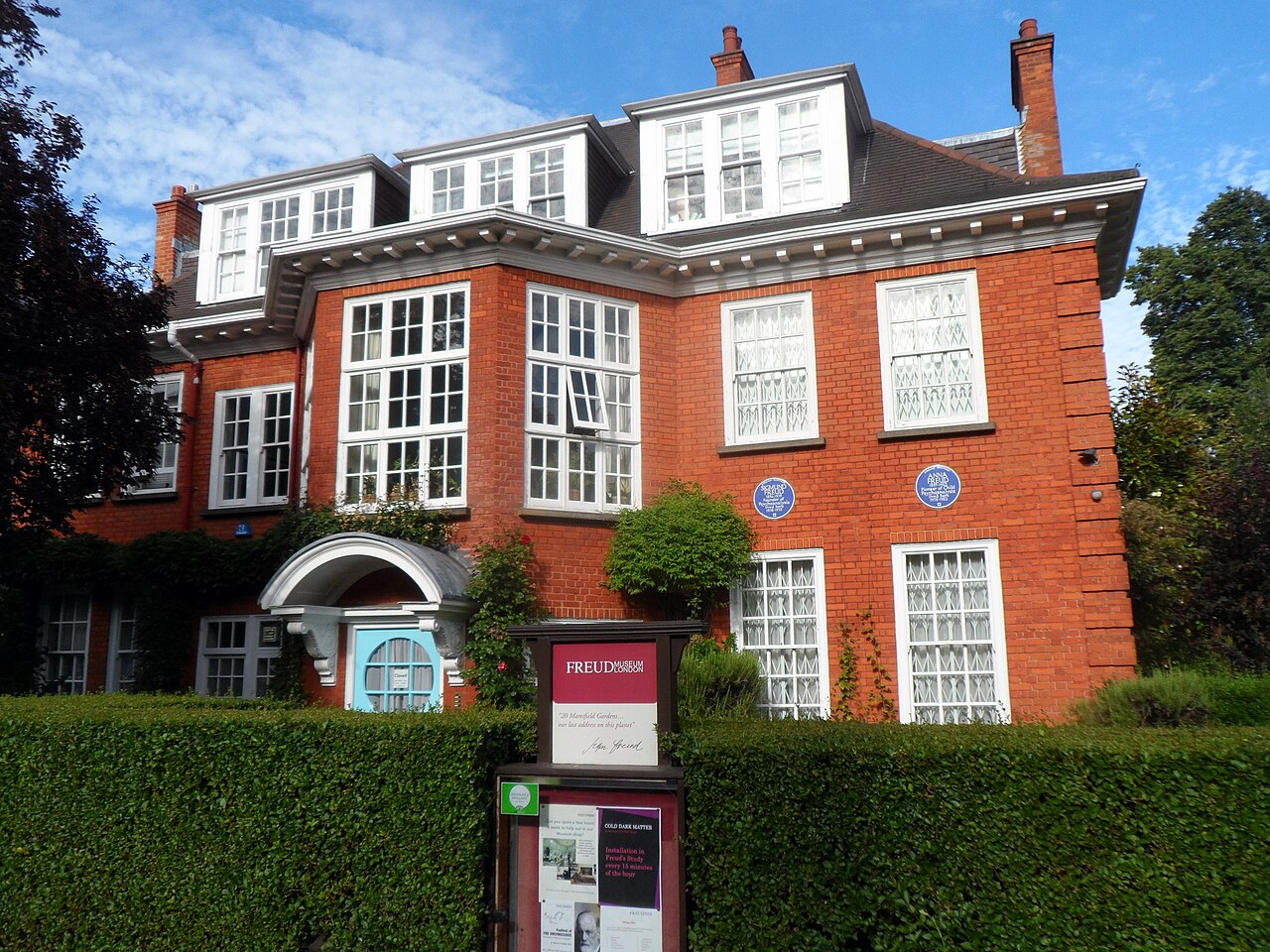
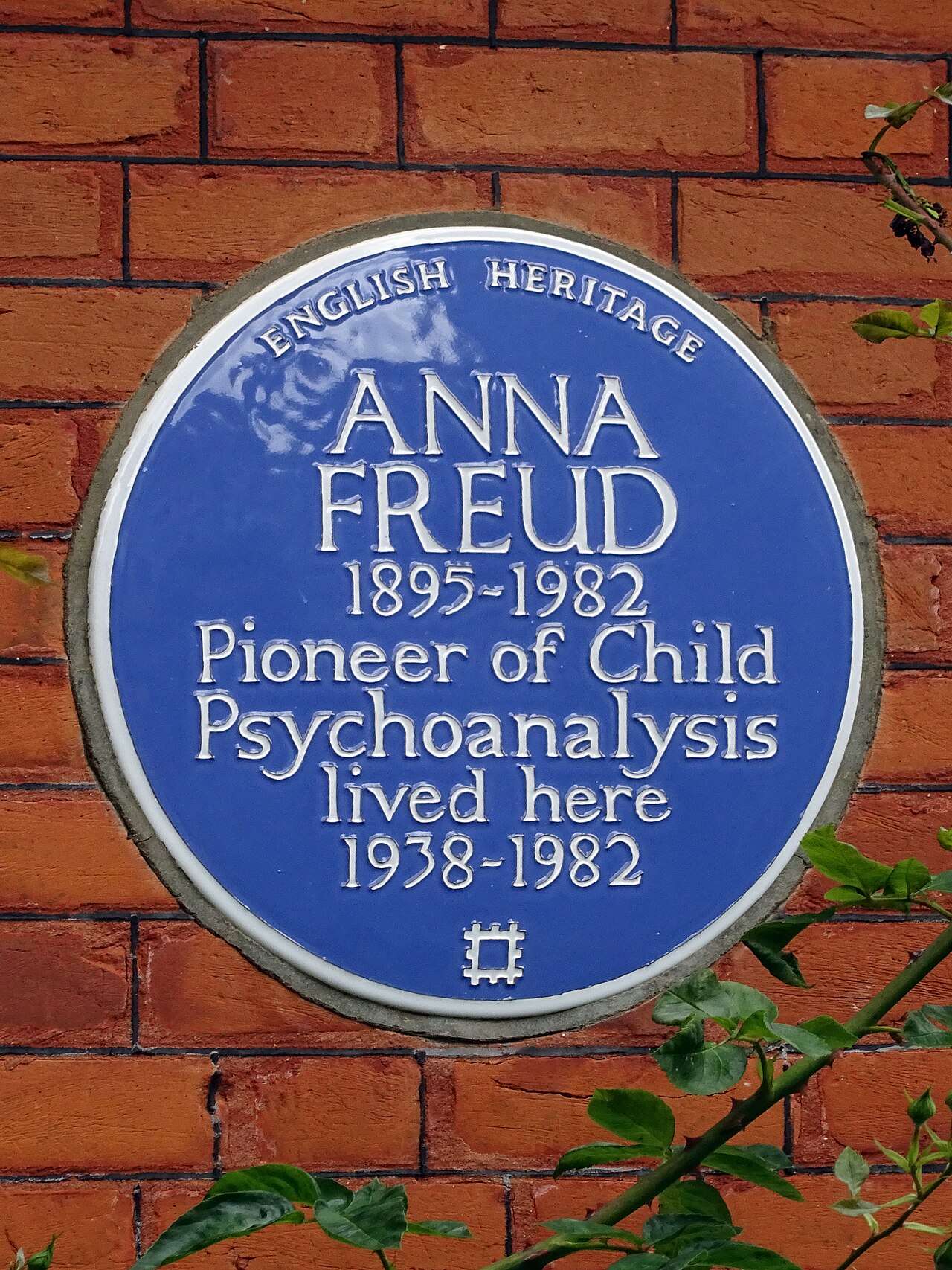
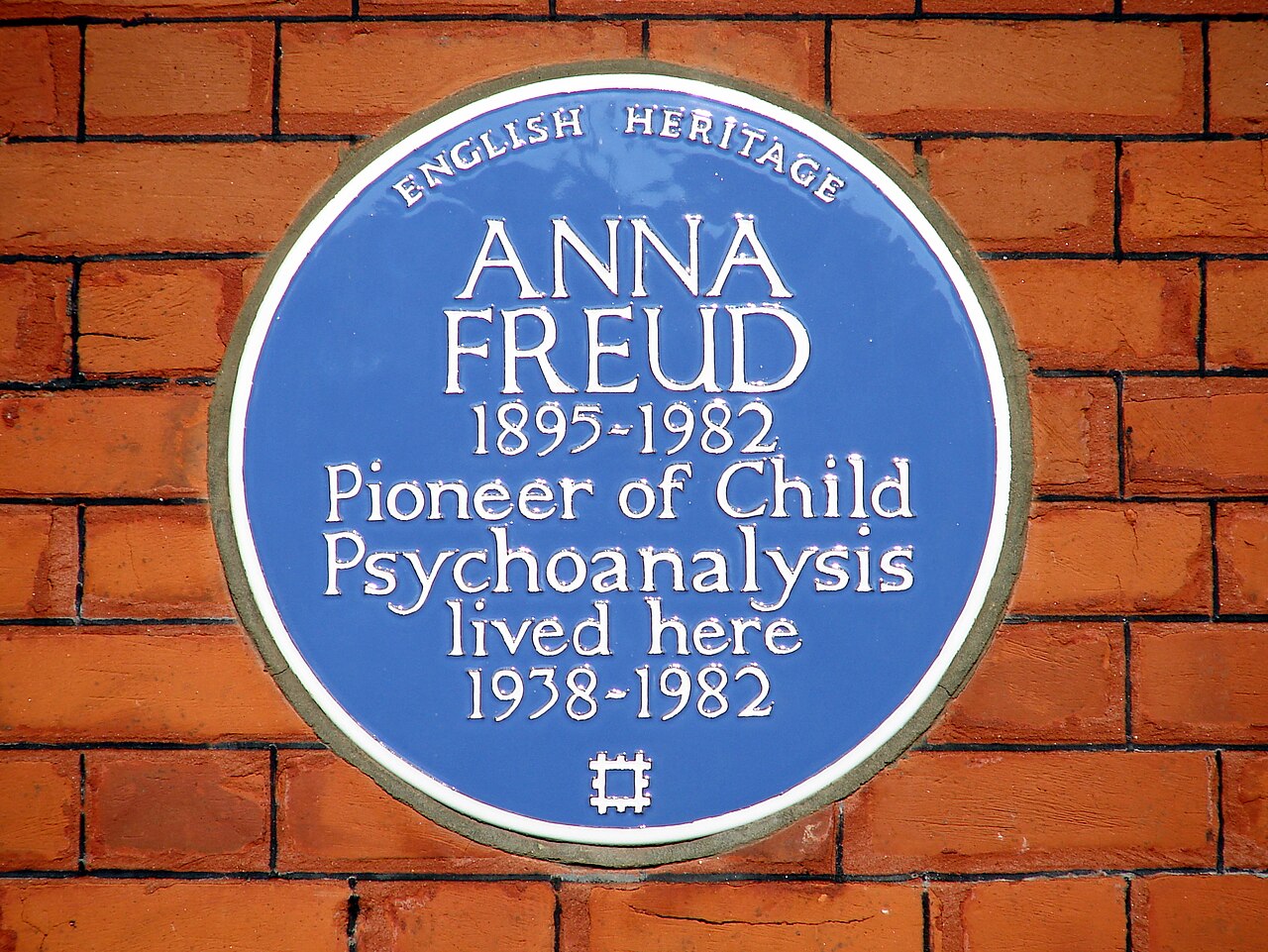
The rise of the Nazi regime in Austria in 1938 shattered the Freud family's Viennese existence, compelling them to flee to London. Anna carried with her not only her personal history but also a deep commitment to the psychoanalytic work she had been building for over a decade. In her adopted city she resumed clinical practice and, crucially, continued the pioneering child psychoanalytic research she had begun in Vienna. The culmination of this post-war dedication was the establishment in 1952 of the Hampstead Child Therapy Course and Clinic, an institution designed to serve as a unified centre for therapy, professional training, and research in child development. The clinic was later renamed the Anna Freud National Centre for Children and Families. Through this institution she created a collaborative environment that brought together analysts, observers, and researchers—a hallmark of her distinctive approach that emphasized working across multiple analytical and observational contexts rather than relying on a single method. In 1937, before the exile, Freud and Burlingham had launched a nursery for children under the age of two, funded by Edith Jackson, to meet social needs of children from impoverished families and to enhance psychoanalytic research into early childhood development.
Ego, Development, and a Distinctive Theoretical Voice
While her father's name dominated the early psychoanalytic movement, Anna carved out a theoretical identity that, while rooted in his framework, diverged in important ways. Her work placed the ego and its normal 'developmental lines' at the centre of inquiry, a focus that set her contributions apart from her father's broader theoretical emphasis. She also championed a collaborative model of psychoanalytic work, insisting that analysis should be enriched by observation across a range of contexts rather than confined to a single setting. Alongside Hermine Hug-Hellmuth and Melanie Klein, she may be considered a founding figure in psychoanalytic child psychology, a field shaped by their collective efforts. Beyond her own clinical and theoretical output, Anna served as her father's secretary and spokesperson at the bi-annual congresses of the International Psychoanalytical Association after 1922, which Freud was unable to attend. Following his diagnosis with cancer of the jaw in 1923, for which he would need numerous operations, she provided long-term nursing assistance. She also acted as his secretary and spokesperson, notably at the bi-annual congresses of the International Psychoanalytical Association, which Freud was unable to attend after 1922.
Gallery
Frequently Asked Questions
Who is Anna Freud?
Anna Freud (1895–1982) was a British psychoanalyst of Austrian Jewish origin, the youngest of Sigmund and Martha Freud's six children. She became one of the founding figures of psychoanalytic child psychology, working alongside Melanie Klein and Hermine Hug-Hellmuth.
What are Anna Freud's main contributions to psychology?
She shifted the psychoanalytic spotlight onto the ego and mapped out what she called 'developmental lines,' describing how children's behavior evolves through observable stages. She also established the Hampstead Child Therapy Course and Clinic in London, creating a dedicated training and treatment center for child analysis.
How did Anna Freud's life end?
After fleeing Nazi-occupied Vienna, she settled permanently in London, where she continued her clinical and academic work until her death on 9 October 1982.
Why is Anna Freud important to education and child development?
Her Hampstead Clinic gave educators and therapists a practical framework for understanding a child's emotional and behavioral growth rather than treating symptoms in isolation. That approach still echoes in modern child psychology and school-counseling practices.
How does Anna Freud's work differ from her father Sigmund's?
Where Sigmund Freud centered the id and repressed drives, Anna redirected analytical attention toward the ego's adaptive strategies and the child's developmental trajectory. Her focus was less on uncovering hidden adult conflicts and more on reading what a child's current behavior reveals about their stage of growth.
More in Psychologists And Education Theorists 1-24
Elsewhere in the Psychologists And Education Theorists universe
Spotted an error? Know more?
This is a living reference — every entry is fact-audited, and reader corrections feed straight into our audit queue. Suggest an edit · See this site's audit record