
Alois Alzheimer
German psychiatrist who identified the first case of presenile dementia.

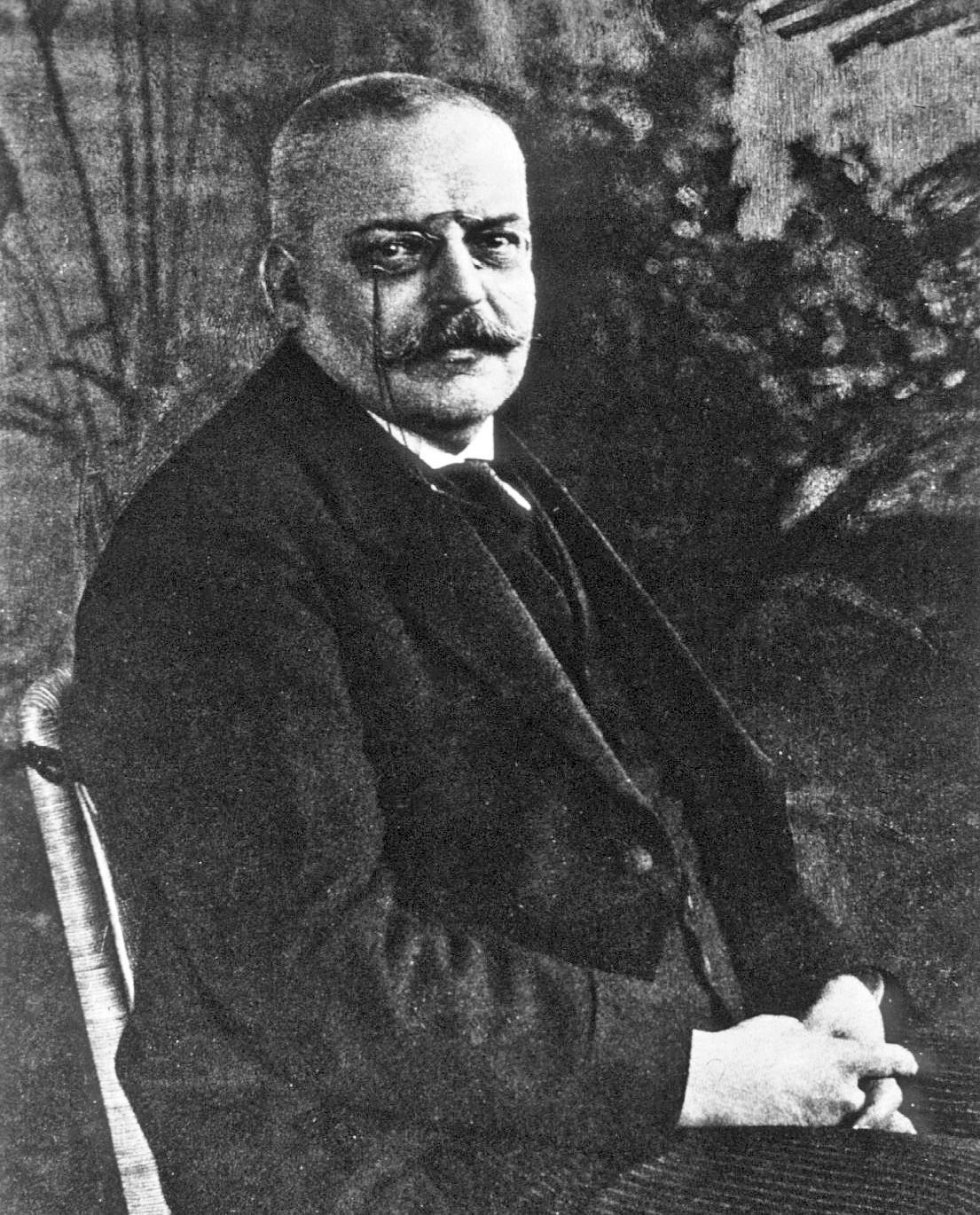
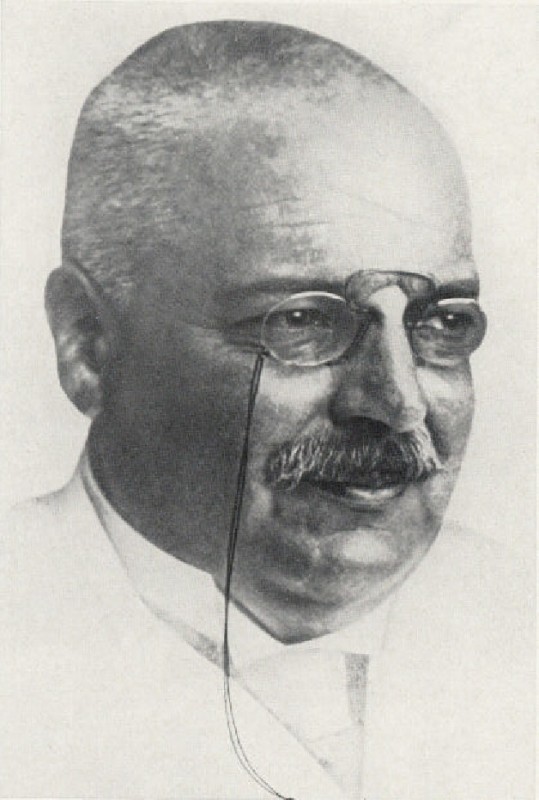
Alois Alzheimer was a German psychiatrist and neuropathologist, and a colleague of Emil Kraepelin. He is credited with identifying the first published case of "presenile dementia," which Kraepelin later named Alzheimer's disease. Born in Marktbreit, Bavaria on 14 June 1864, Alzheimer studied medicine at the University of Berlin, University of Tübingen, and University of Würzburg, graduating in 1887. His career took him from the Frankfurt asylum to Munich, where he worked closely with Kraepelin. In 1901, he observed a 51-year-old patient named Auguste Deter, whose strange behavioral symptoms and loss of short-term memory became his obsession. Using the Bielschowsky stain after her death in 1906, he identified amyloid plaques and neurofibrillary tangles—brain anomalies that became the identifiers of what is now known as Alzheimer's disease.
- born
- 14 June 1864, Marktbreit, Bavaria
- died
- 19 December 1915, Breslau, Silesia (present-day Wrocław, Poland)
- field
- Psychiatry, neuropathology
- nationality
- German
- known_for
- Identifying the first published case of presenile dementia (later Alzheimer's di
Verified Timeline
Lore & Background
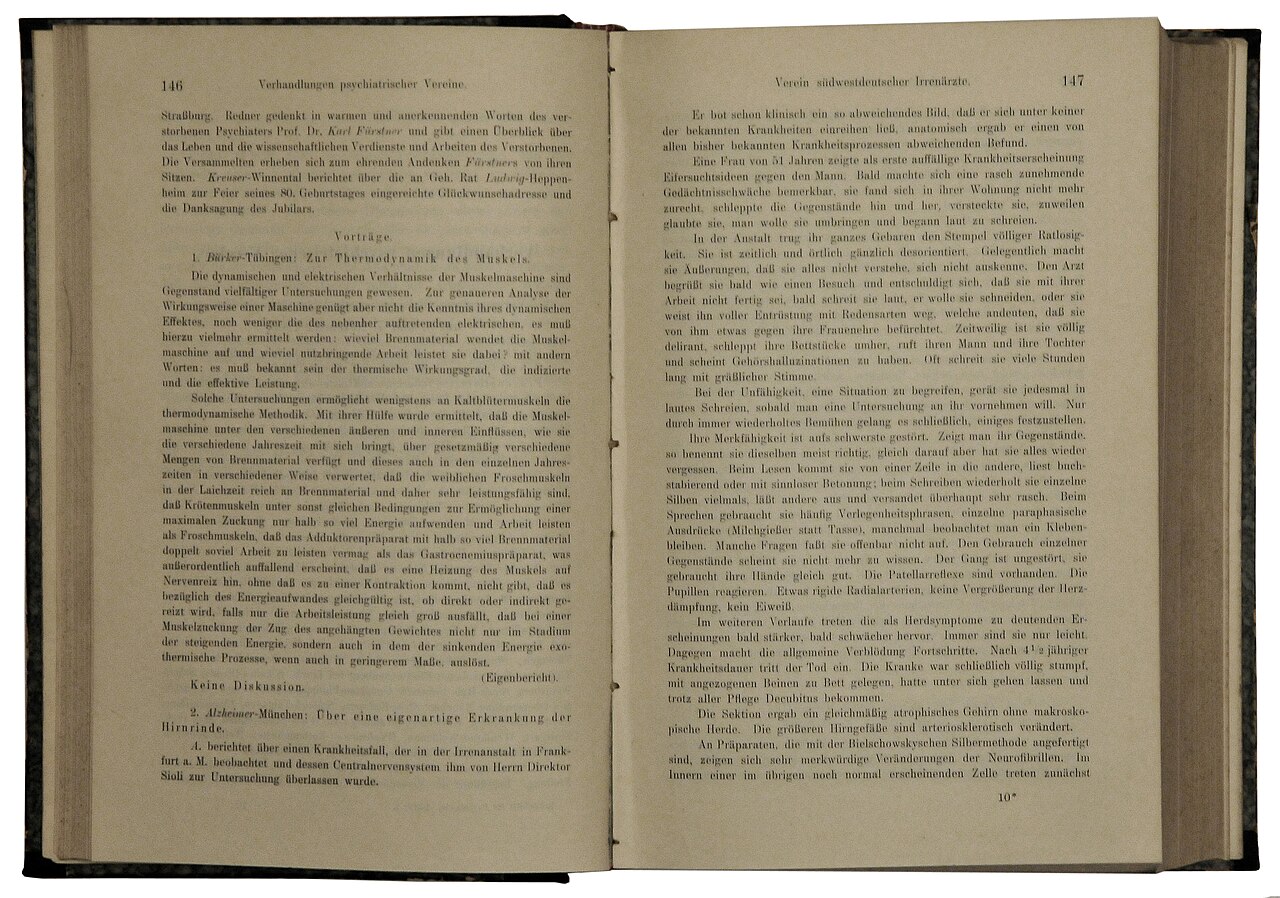
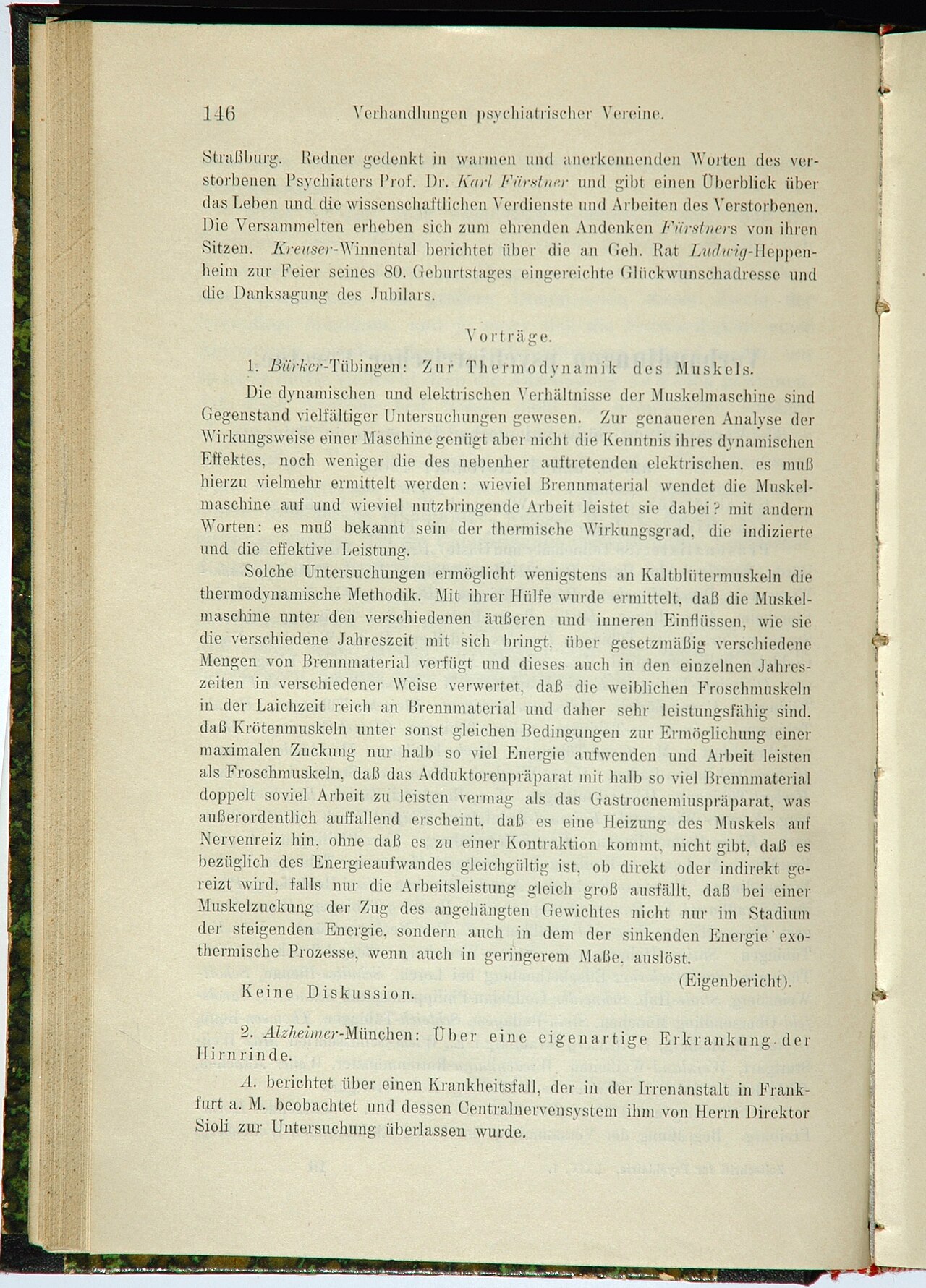
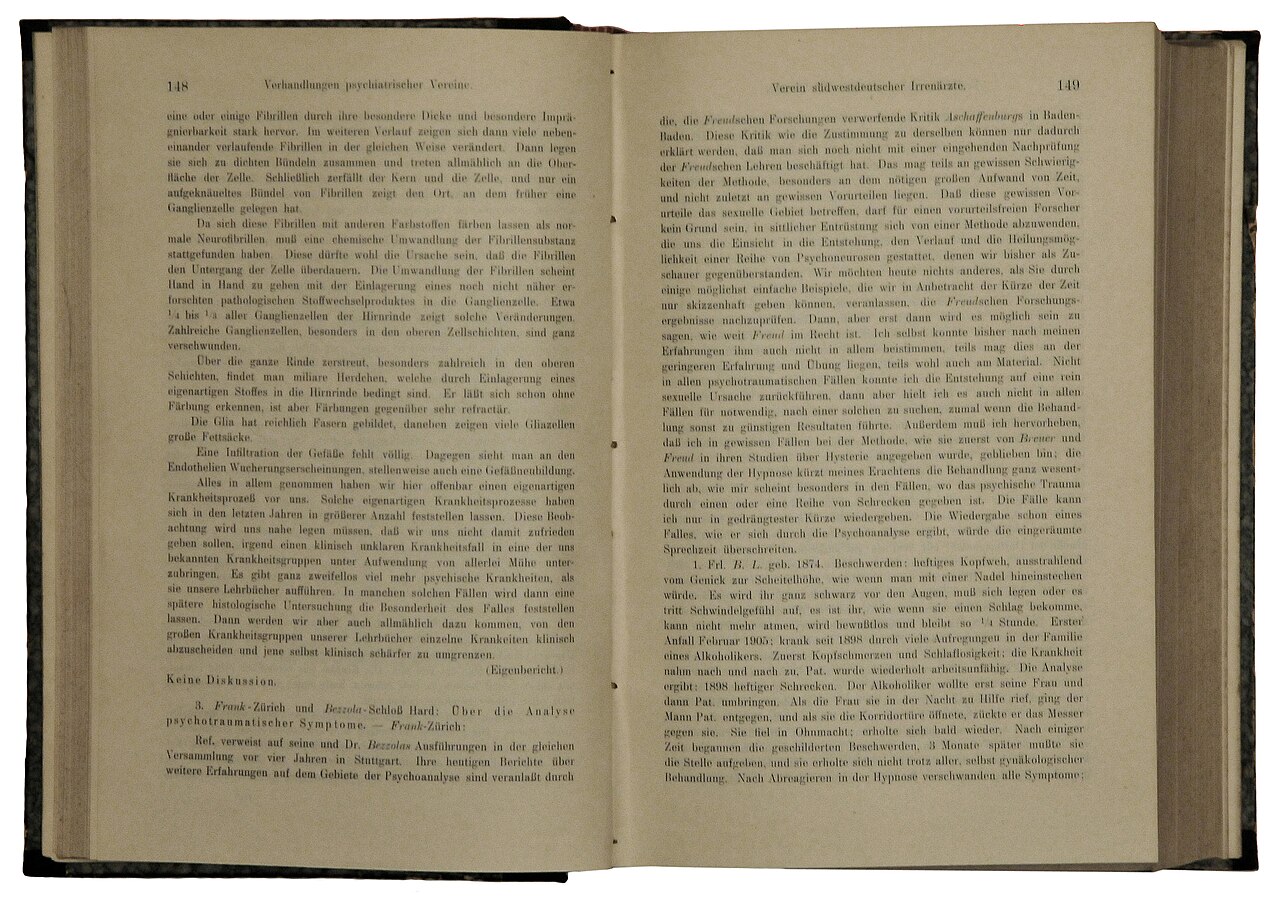
Alois Alzheimer was born in Marktbreit, Bavaria, on 14 June 1864, the son of Anna Johanna Barbara Sabina and Eduard Román Alzheimer. His father served as a notary public, and the family was devoutly Catholic. The Alzheimers moved to Aschaffenburg when Alois was still young so their children could attend the Royal Humanistic Gymnasium. After graduating with Abitur in 1883, Alzheimer studied medicine at the University of Berlin, University of Tübingen, and University of Würzburg. In his final year at university, he was a member of a fencing fraternity and even received a fine for disturbing the peace while out with his team. In 1887, Alzheimer graduated from Würzburg as Doctor of Medicine. In 1888, he spent five months assisting mentally ill women before taking an office at the Frankfurt asylum, the Städtische Anstalt für Irre und Epileptische. There, he worked with Franz Nissl on the pathology of the nervous system, specifically the normal and pathological anatomy of the cerebral cortex. Alzheimer was the co-founder and co-publisher of the journal Zeitschrift für die gesamte Neurologie und Psychiatrie, though he never wrote a book he could call his own. At the Frankfurt asylum, he met Emil Kraepelin, who became his mentor. When Kraepelin moved to Munich in 1903, he invited Alzheimer to join him. In 1904, Alzheimer completed his habilitation at LMU, where he was appointed professor in 1908. In 1901, Alzheimer observed a 51-year-old patient at the Frankfurt asylum named Auguste Deter, who had strange behavioral symptoms including loss of short-term memory. The Frankfurt asylum was too expensive for her husband, who made several requests to move her to a less expensive facility, but Alzheimer intervened. He made a deal to receive her records and brain upon her death, paying for the remainder of her stay in return. On 8 April 1906, Auguste Deter died, and Alzheimer had her medical records and brain brought to Munich. With two Italian physicians, he used the Bielschowsky stain to identify amyloid plaques and neurofibrillary tangles. On 3 November 1906, Alzheimer discussed his findings publicly at the Tübingen meeting of the Southwest German Psychiatrists. The audience of 88 individuals was so eagerly awaiting the next lecture on "compulsive masturbation" that they sent Alzheimer away without any questions or comments. He published a short paper summarizing his presentation in 1906 and a longer paper in 1907. The disease became known as Alzheimer's disease in 1910, when Kraepelin named it so in the 8th edition of his Handbook of Psychiatry. By 1911, his description was being used by European physicians to diagnose patients in the US. Alzheimer left Munich for the Silesian Friedrich Wilhelm University in Breslau in 1912, where he accepted a post as professor of psychiatry and director of the Neurologic and Psychiatric Institute. His health deteriorated shortly after his arrival, and he died three years later.
Reader's Guide
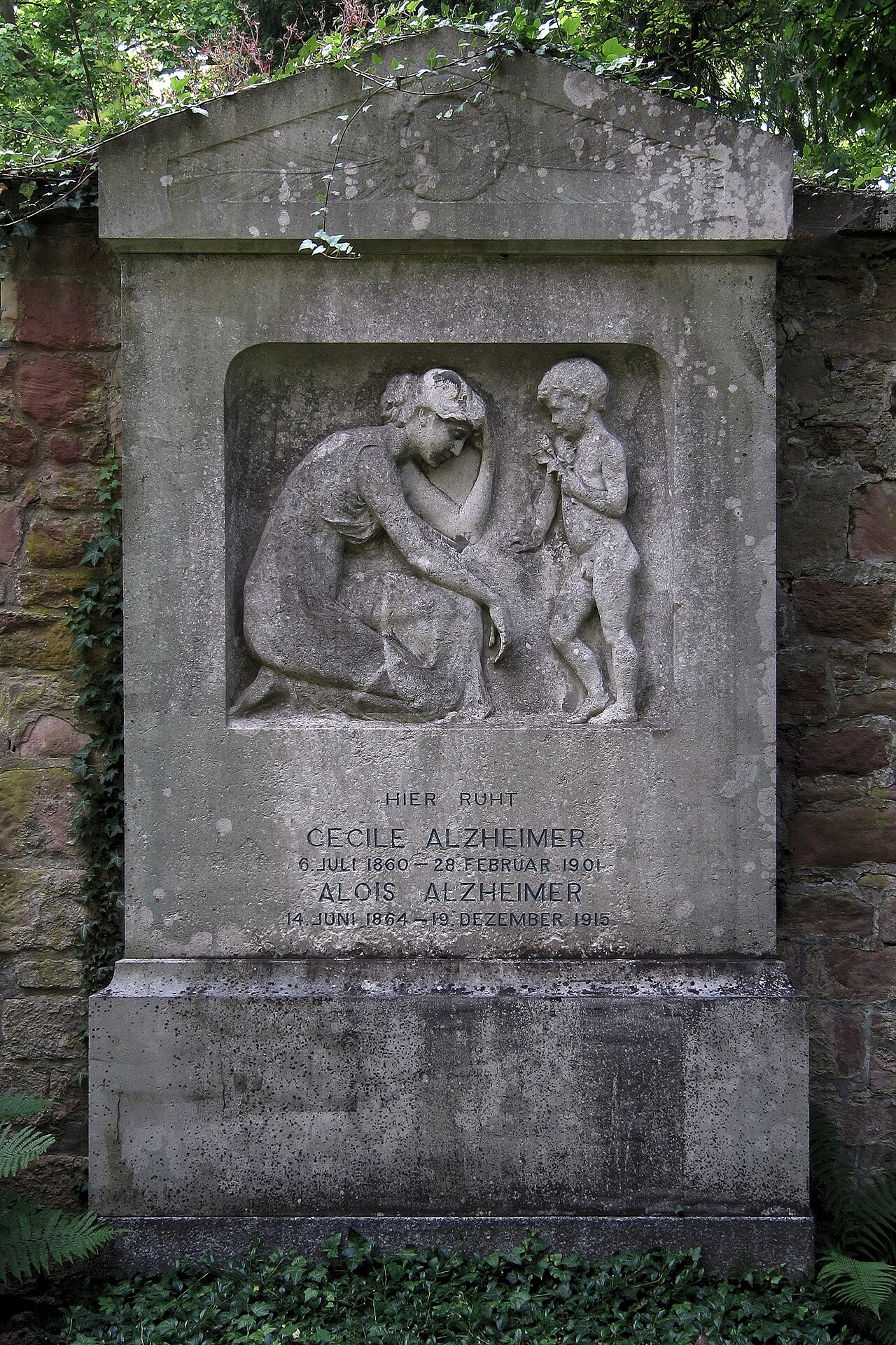
Alzheimer's significance lies in his identification of the brain pathology and symptoms of what became known as Alzheimer's disease. Although his 1906 presentation was met with indifference, his findings gained recognition when Kraepelin named the condition "Alzheimer's disease" in the 1910 edition of his Handbook of Psychiatry. By 1911, European physicians were using Alzheimer's description to diagnose patients in the US. Alzheimer's work established the clinical and pathological features of early-onset dementia, including amyloid plaques and neurofibrillary tangles. Additional case descriptions by Alzheimer and his colleagues continued in the following years, including older patients than the early-onset dementia of Auguste Deter. Alzheimer eventually conceived "his" disease as mainly characterized clinically by a severe dementia with instrumental symptoms, and pathologically by extended neurofibrillary tangles. He debated fiercely with Oskar Fischer, a German-speaking pathologist from Prague, who instead emphasized the importance of neuritic plaques and of presbyophrenia as the phenotype. Fischer–Alzheimer's nosological considerations had less impact than Kraepelin's 1910 Textbook of Psychiatry, which distinguished between "Alzheimer's disease" and senile dementia, including presbyophrenia. This textbook had a strong influence on early 20th century research on senile dementia and played a significant role in the classification of dementia in the following decades. In the early 1990s, critics began to question Alzheimer's findings. Amaducci and colleagues hypothesized that Auguste Deter had metachromatic leukodystrophy, while Claire O'Brien hypothesized that she actually had a vascular dementing disease. Alzheimer died of heart failure on 19 December 1915 at age 51, in Breslau, Silesia (present-day Wrocław, Poland). His body was buried four days later, next to his wife Cecilie's at the Frankfurt Main Cemetery.
Did You Know?
- Alzheimer was a member of a fencing fraternity in his final year at university and received a fine for disturbing the peace while out with his team.
- He never wrote a book he could call his own, but was co-founder and co-publisher of the journal Zeitschrift für die gesamte Neurologie und Psychiatrie.
- When Alzheimer presented his findings on 3 November 1906 at the Tübingen meeting, the audience of 88 was so eager for the next lecture on 'compulsive masturbation' that they sent him away without any questions or comments.
- Alzheimer made a deal with the Frankfurt asylum to pay for Auguste Deter's stay in return for receiving her medical records and brain upon her death.
- He died of heart failure on 19 December 1915 at age 51, and was buried four days later next to his wife Cecilie at the Frankfurt Main Cemetery.
Gallery
Frequently Asked Questions
Who is Alois Alzheimer?
Alois Alzheimer was a German psychiatrist and neuropathologist who worked alongside Emil Kraepelin. He is best known for documenting the first published case of presenile dementia, a condition that would later carry his name.
What is Alois Alzheimer most famous for?
He identified and described the first published case of what we now call Alzheimer's disease. It was his colleague Emil Kraepelin who formally named the condition after him.
When and where was Alois Alzheimer born?
He was born on 14 June 1864 in Marktbreit, Bavaria. He went on to build his career in Germany, focusing on psychiatry and neuropathology.
How does Alois Alzheimer's story end?
He died on 19 December 1915 in Breslau, Silesia, which is today's Wrocław, Poland. He was 51 years old at the time of his death.
Why is Alois Alzheimer important to psychology and medicine?
His careful documentation of the first known case of presenile dementia gave the medical community its first concrete reference point for a major neurodegenerative condition. The disease that bears his name remains one of the most widely studied ailments in modern neuroscience.
More in Psychologists And Education Theorists 1-24
Elsewhere in the Psychologists And Education Theorists universe
Spotted an error? Know more?
This is a living reference — every entry is fact-audited, and reader corrections feed straight into our audit queue. Suggest an edit · See this site's audit record